NFPA 99 Requirements for Hyperbaric Chamber Facilities
Planning a hyperbaric chamber facility involves more than choosing a chamber with the right size and operating pressure. Buyers also need to confirm how the chamber, its supporting systems, the installation site and daily procedures will meet the requirements adopted for their project.
NFPA 99 Chapter 14 addresses the design and operation of hyperbaric chambers and facilities, including pressure, fire and electrical safety. Before placing an order, confirm the applicable code edition and project requirements with the local authority and facility design team.
For the source requirements, refer to the NFPA 99 Health Care Facilities Code and confirm the edition adopted for your project.
When Does NFPA 99 Apply to a Hyperbaric Facility?
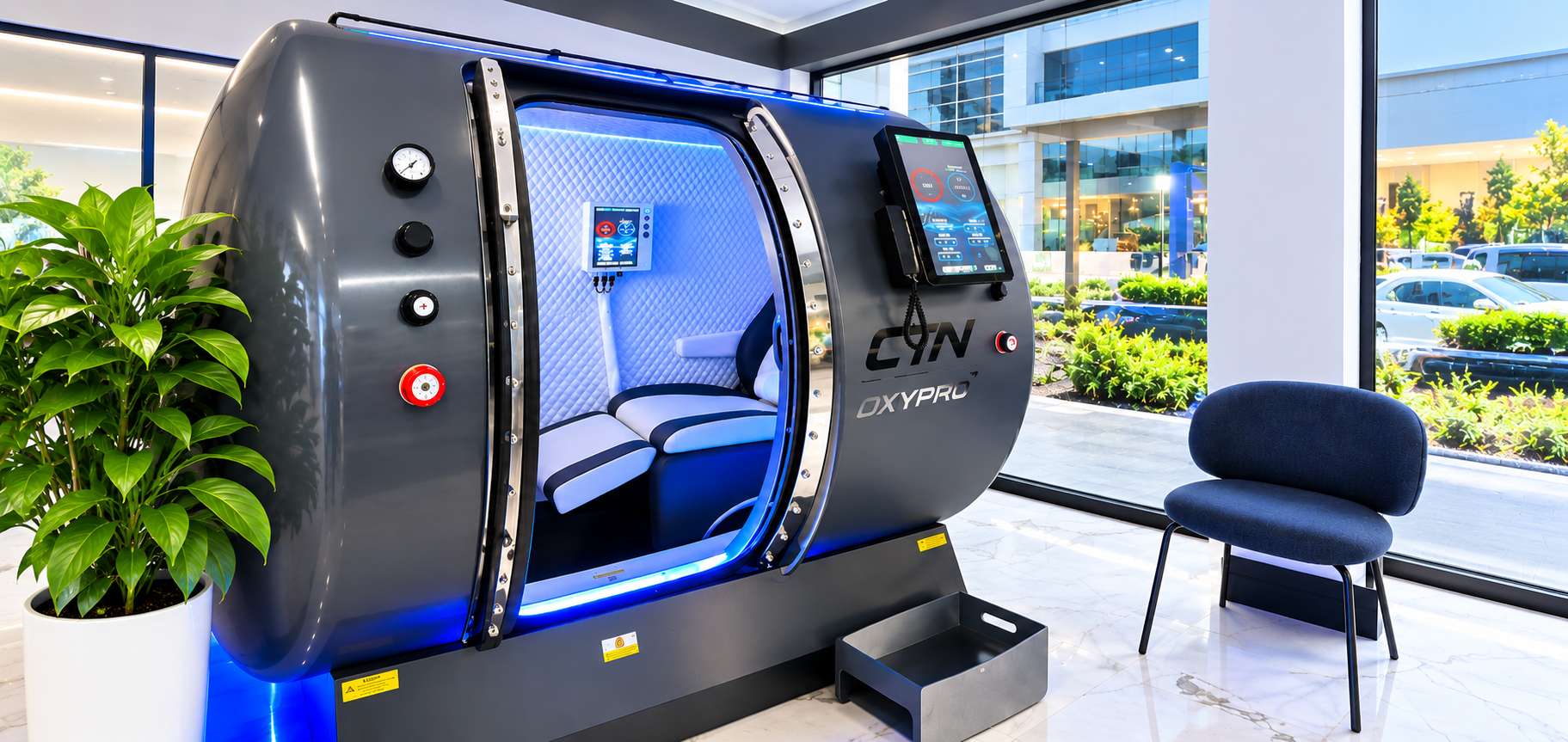
For a US project, start with the facility’s location, intended use and chamber configuration. The applicable building code and local authority determine which edition and requirements the project must follow. For example, the 2024 International Building Code directs hyperbaric facilities to NFPA 99 Chapter 14.
This check should happen before model selection is finalized. A single-user chamber and a multiplace chamber can create different requirements for room planning, supporting equipment and daily operation. Give your supplier the intended application, user capacity, operating pressure, destination and proposed room layout so they can provide information for the correct configuration.
Because applicable requirements depend on the destination, equipment and intended use, buyers should also review the relevant hyperbaric chamber regulations before finalizing project requirements.
If you are still comparing chamber types, our hyperbaric chamber selection guide explains the main factors to review before choosing a model.
Hyperbaric Chamber and Equipment Requirements Under NFPA 99
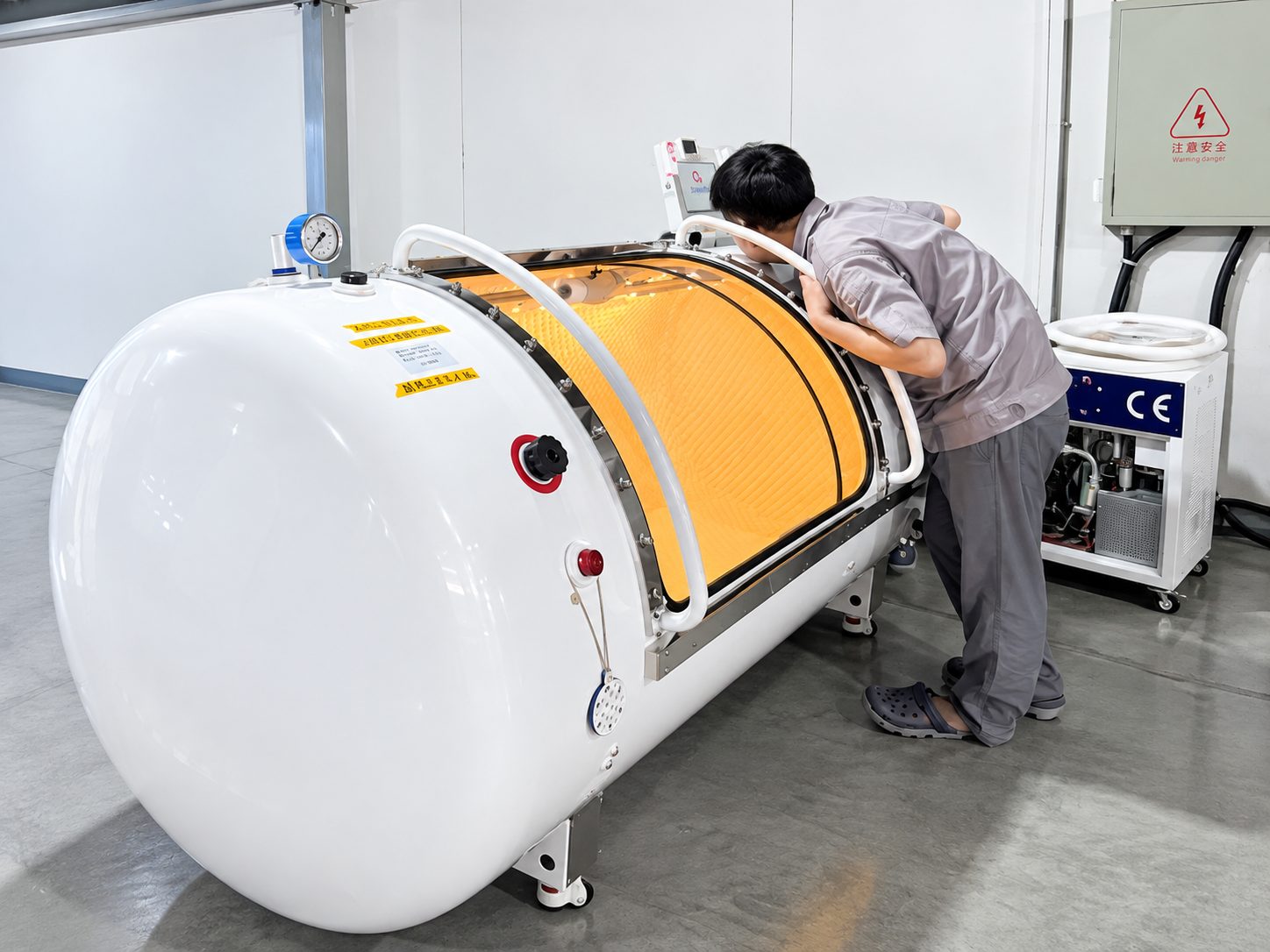
Ask how the specific chamber model and its supporting systems were designed and manufactured. The review should cover the pressure vessel design basis, rated operating pressure, pressure control and protection, oxygen delivery, electrical components, communication and emergency functions. Request the applicable drawings, specifications, test records and operating instructions rather than relying on a general statement that a chamber is “NFPA 99 certified.”
NFPA 99 and ASME PVHO address related parts of the project:
NFPA 99 covers hyperbaric chamber and facility safety requirements, while ASME PVHO-1 is a design and fabrication standard for pressure vessels for human occupancy.
For a buyer-focused review of the standard, supporting evidence and model-specific records, see ASME PVHO-1 for hyperbaric chambers.
The ASME PVHO-1 standard addresses the design, fabrication, inspection and testing of pressure vessels for human occupancy. A manufacturer’s statement about either standard should be checked against the selected model, its configuration and supporting documentation.
How MACY-PAN supports this review: MACY-PAN can discuss chamber type, capacity, pressure configuration, oxygen supply, control functions and site requirements during model selection. Buyers should request the technical specifications and available certification or test documents for the exact model and configuration quoted. The documents provided should then be reviewed by the project team against the requirements applicable at the installation site.
Facility Installation and Fire Safety Requirements
A suitable chamber still needs a suitable facility. Before confirming an order, check the proposed room dimensions, delivery route, access around the chamber, electrical supply, oxygen and other supporting systems, ventilation, and the location of controls and emergency equipment.
Before finalizing the site plan, review the hyperbaric chamber installation requirements that should be confirmed for the selected model, supporting equipment and installation site.
The chamber supplier can provide model dimensions and equipment requirements. The facility’s designers, installers and local authority must determine how those requirements fit the building and applicable codes. This early review helps buyers identify site changes before equipment is produced or delivered.
See our hyperbaric chamber installation support page for the site information to prepare before delivery.
For a MACY-PAN project: share the room plan, entrance and corridor dimensions, installation location, electrical information and intended chamber layout when requesting a configuration. MACY-PAN can use these details to discuss model fit and installation requirements; final facility compliance must be confirmed for the specific project.
NFPA 99 Hyperbaric Facility FAQs
Is NFPA 99 a certification for a hyperbaric chamber?
No. NFPA 99 is a code containing requirements relevant to hyperbaric chambers and facilities; describing a product as “NFPA 99 certified” can obscure what has actually been assessed. Ask the manufacturer to identify the applicable requirements and provide evidence for the specific model and configuration. Facility compliance also depends on installation and operation.
What is the difference between NFPA 99 and ASME PVHO-1?
NFPA 99 Chapter 14 addresses hyperbaric chamber and facility design and operation. ASME PVHO-1 addresses the design and fabrication of pressure vessels for human occupancy. Buyers may need to review both, along with other requirements adopted for their project. One does not replace the other.
Does a documented chamber make the entire facility NFPA 99 compliant?
No. Product documents help the project team evaluate the chamber. The room, supporting systems, installation and operating procedures must also be assessed against the requirements that apply locally. Confirm these responsibilities with the facility design team and local authority before installation.
Do NFPA 99 requirements vary by chamber type and project location?
Request the quoted model’s specifications, operating-pressure information, chamber and supporting-system drawings, installation requirements, operating and maintenance instructions, and available certification or test records. Check that each document matches the model and configuration you intend to purchase.
What documents should buyers request before ordering a chamber?
No. The applicable requirements depend on the project location, adopted code edition, chamber configuration, intended use and facility design. Confirm these details before applying a standard or document from one project to another.
What project details does MACY-PAN need to review a chamber configuration?
Provide the intended application, users per session, preferred chamber type, operating pressure, destination, room dimensions, delivery access and available electrical information. MACY-PAN can then discuss a suitable configuration and the technical documents available for that model.
Operating Procedures and Documents Buyers Should Check
Fire safety is an ongoing facility responsibility. The operator needs procedures for items brought into the chamber, permitted equipment, staff training, inspections, maintenance and emergency response. The US FDA specifically advises facilities to follow each device’s instructions, apply fire prevention measures, use proper grounding and maintain staff training.
For routine checks after installation, use our hyperbaric chamber safety checklist to review equipment and operating checks before use.
When comparing manufacturers, ask for the operating and maintenance instructions that staff will use after installation. Also establish who will inspect the chamber and supporting systems, record the results and respond to a fault. Purchasing a chamber does not, by itself, complete the facility’s operational safety program.
Before requesting a quotation, prepare: the intended use, number of users per session, required operating pressure, destination, site drawings and any requirements already issued by the local authority. This lets MACY-PAN discuss a specific configuration and identify the documents available for review.