What Is a Hyperbaric Oxygen Chamber?
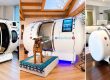
A hyperbaric oxygen chamber is a controlled, pressurized enclosure designed to provide oxygen under pressure higher than normal atmospheric conditions. Chambers differ in user capacity, structure, operating pressure, oxygen delivery method and intended operating environment. This guide explains how they work, the main chamber types and what users and project buyers should understand before use or selection.
Hyperbaric oxygen chambers are available in different capacities, structures and pressure configurations. You can review the complete range of hyperbaric oxygen chambers before comparing individual chamber types.
What Is a Hyperbaric Oxygen Chamber?
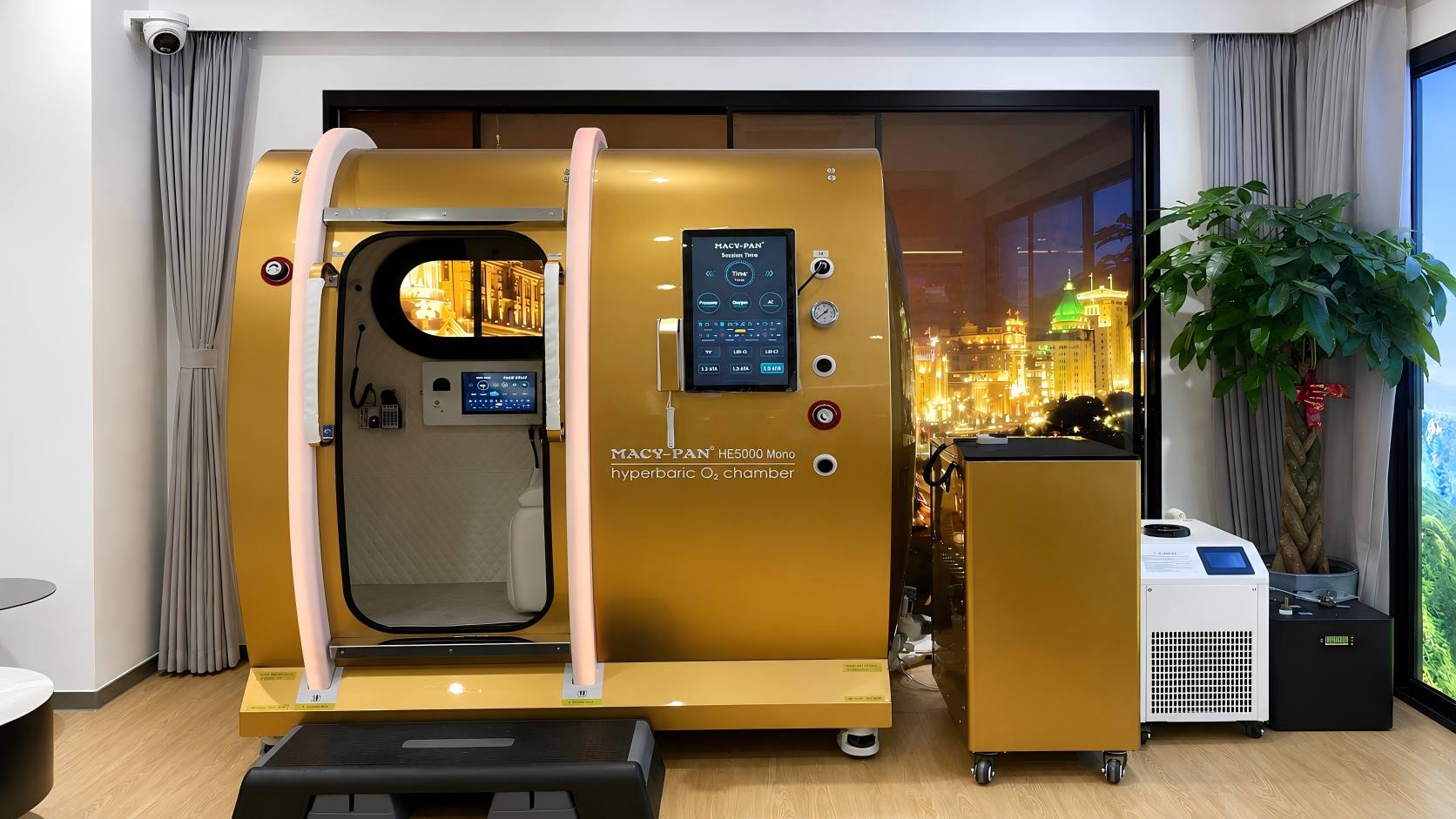
A hyperbaric oxygen chamber is an enclosed chamber designed to create and maintain internal pressure above normal atmospheric pressure. Under controlled conditions, the user breathes oxygen at a specified concentration through the oxygen delivery method provided for the selected chamber type.
A complete hyperbaric oxygen chamber system typically includes the chamber body, pressurization and gas supply equipment, oxygen delivery system, control system, communication functions, and applicable safety devices. The specific configuration varies according to the chamber structure, operating pressure, user capacity, and intended application.
To understand how these components are supplied together, review what is included in a complete hyperbaric chamber system before comparing individual models.
Not all hyperbaric chambers are filled with pure oxygen. Some chambers are pressurized with air while oxygen is delivered separately through a mask or another breathing interface. Buyers should therefore confirm both the chamber pressurization method and the oxygen delivery configuration when comparing different models.
A hyperbaric chamber refers to the equipment itself, while hyperbaric oxygen therapy (HBOT) refers to a treatment or operating process carried out using suitable hyperbaric equipment under defined protocols. The two terms are related but should not be used interchangeably.
How Does a Hyperbaric Oxygen Chamber Work?
A hyperbaric oxygen chamber works by creating a controlled environment in which the internal pressure is raised above normal atmospheric pressure. During operation, the chamber maintains the required pressure while oxygen is delivered to the user through a method determined by the chamber type and system configuration.
A complete hyperbaric chamber relies on several connected systems:
- Chamber body: Provides the enclosed, pressure-controlled space
- Pressurization system: Supplies air or another applicable gas to raise chamber pressure
- Oxygen delivery system: Delivers oxygen through the configured breathing method
- Control system: Manages pressurization, pressure maintenance, and depressurization
- Monitoring and communication system: Allows the operator to monitor operation and communicate with the user
- Safety system: Provides alarms, pressure-control functions, and applicable emergency controls
Chamber Pressurization
At the beginning of an operating cycle, air or another applicable gas enters the sealed chamber. The control system gradually increases the internal pressure to the selected operating level. The pressurization rate and target pressure are determined by the chamber configuration and operating instructions.
Pressure Maintenance and Oxygen Delivery
Once the selected pressure is reached, the system maintains stable chamber pressure for the required operating period. Oxygen is then supplied according to the chamber design.
Some monoplace chambers may use a model-specific internal oxygen configuration. Air-pressurized chambers typically deliver oxygen separately through a mask or another individual breathing interface. Chamber pressurization and oxygen delivery should therefore be understood as two related but distinct system functions.
Operation Monitoring
During operation, the external control system allows the operator to monitor applicable parameters, including:
- Chamber pressure
- Operating time
- Pressurization and depressurization status
- Communication status
- System alarms
- Oxygen supply and related operating data
The operator remains in communication with the user and manages the operating cycle according to the equipment instructions.
Controlled Depressurization
At the end of the operating period, the control system gradually reduces the internal pressure until it returns to the required level for opening the chamber. The chamber should only be opened after the depressurization process is complete and the system indicates that opening conditions have been reached.
The specific working pressure, pressurization gas, oxygen delivery method, and operating procedure vary between chamber models. These parameters should always be confirmed from the selected equipment configuration and operating manual. Medical applications must also follow the applicable professional protocol and supervision requirements described in resources such as the Mayo Clinic overview of hyperbaric oxygen therapy
If you are comparing pressure configurations, see how to choose the right operating pressure for a hyperbaric chamber before selecting a model.
What is the hyperbaric oxygen therapy process?
The hyperbaric oxygen therapy process typically involves preparation, gradual pressurization, operation at the target pressure, and controlled decompression. The specific procedure depends on the type of chamber, the treatment objectives, and operational protocols.
1. Pre-treatment preparation
Users must undergo a relevant assessment and remove any prohibited items before entering the chamber. Operators check the user’s attire and oxygen delivery interface, and explain communication procedures and techniques for equalizing ear pressure. These standards and protocols ensure the user is well-informed and fully prepared.
2. Gradual pressurization
The pressure inside the chamber is gradually raised to the predetermined level. Users may experience a sensation of pressure in their ears; at this point, they should follow the operator’s instructions to equalize ear pressure.
3. Operation at the target pressure
The system maintains the predetermined pressure while delivering oxygen via established methods. Operators monitor the user’s condition, chamber pressure, treatment duration, communication status, and system alerts.
4. Controlled decompression
Upon completion of the treatment, the pressure inside the chamber is gradually returned to normal atmospheric levels. The chamber door is opened only after decompression is complete.
The duration and frequency of treatment depend on the treatment objectives, operational protocols, and relevant professional assessments.
What Are the Main Types of Hyperbaric Oxygen Chambers?
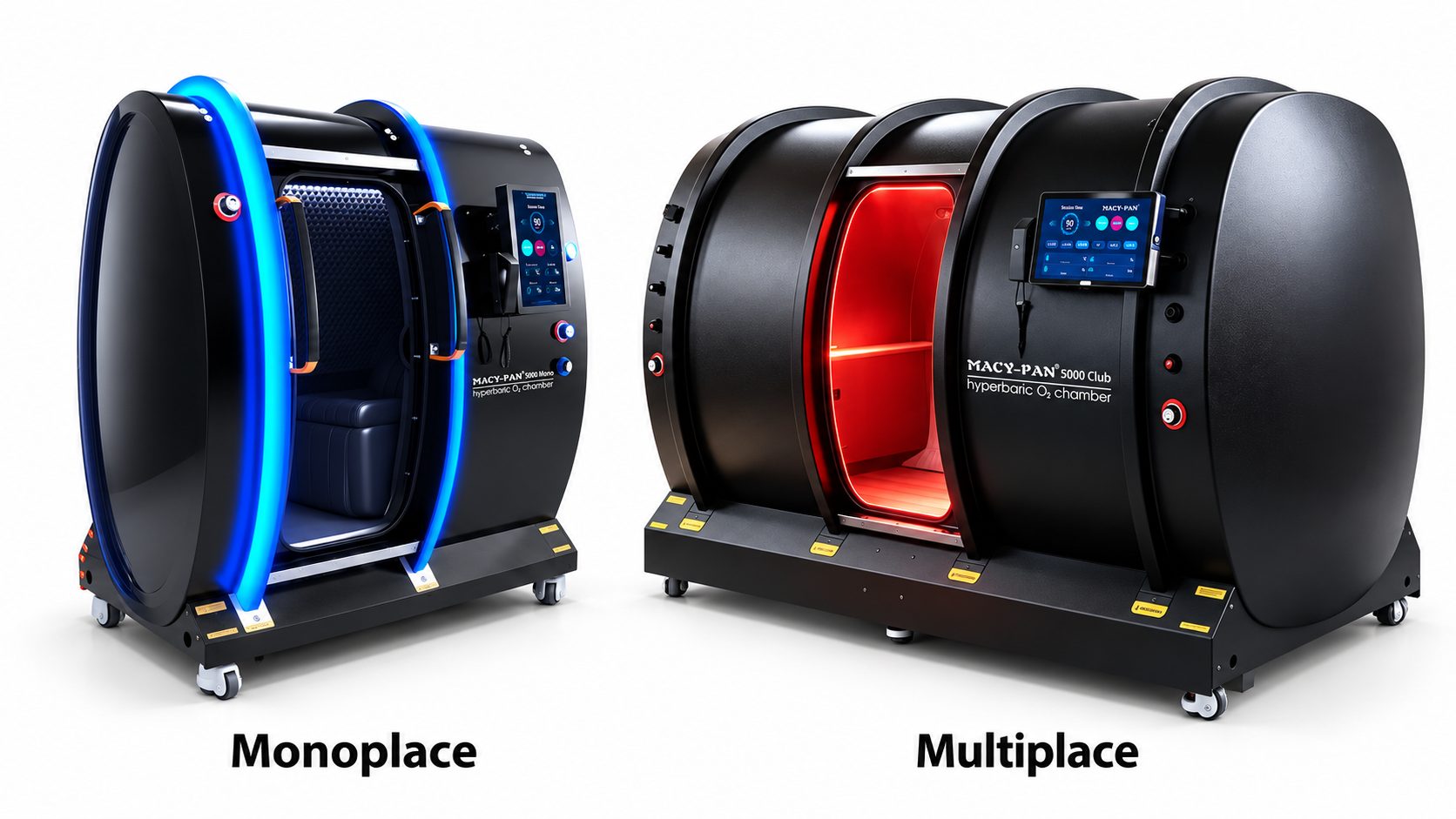
Hyperbaric oxygen chambers are mainly classified by user capacity and chamber structure. Each type differs in internal space, operating pressure, oxygen delivery, installation, and intended use.
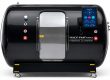
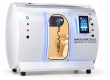
Monoplace Hyperbaric Oxygen Chambers
Monoplace chambers are typically designed for one user in a lying, seated, or model-specific position. They suit projects requiring individual operation, privacy, or separate session scheduling. Pressure and oxygen delivery vary by model.
For single-user configurations, compare available sizes, pressure options and internal layouts across our monoplace hyperbaric oxygen chambers.
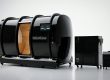
Multiplace Hyperbaric Oxygen Chambers
Multiplace chambers accommodate two or more users in seated, combined-seat, or walk-in layouts. They suit facilities requiring simultaneous use or higher capacity but need more detailed room, operation, and supporting-system planning.
Facilities requiring two or more users per session can review our multiplace hyperbaric oxygen chambers by capacity, layout and installation requirements.
What Systems Make Up a Complete Hyperbaric Chamber?
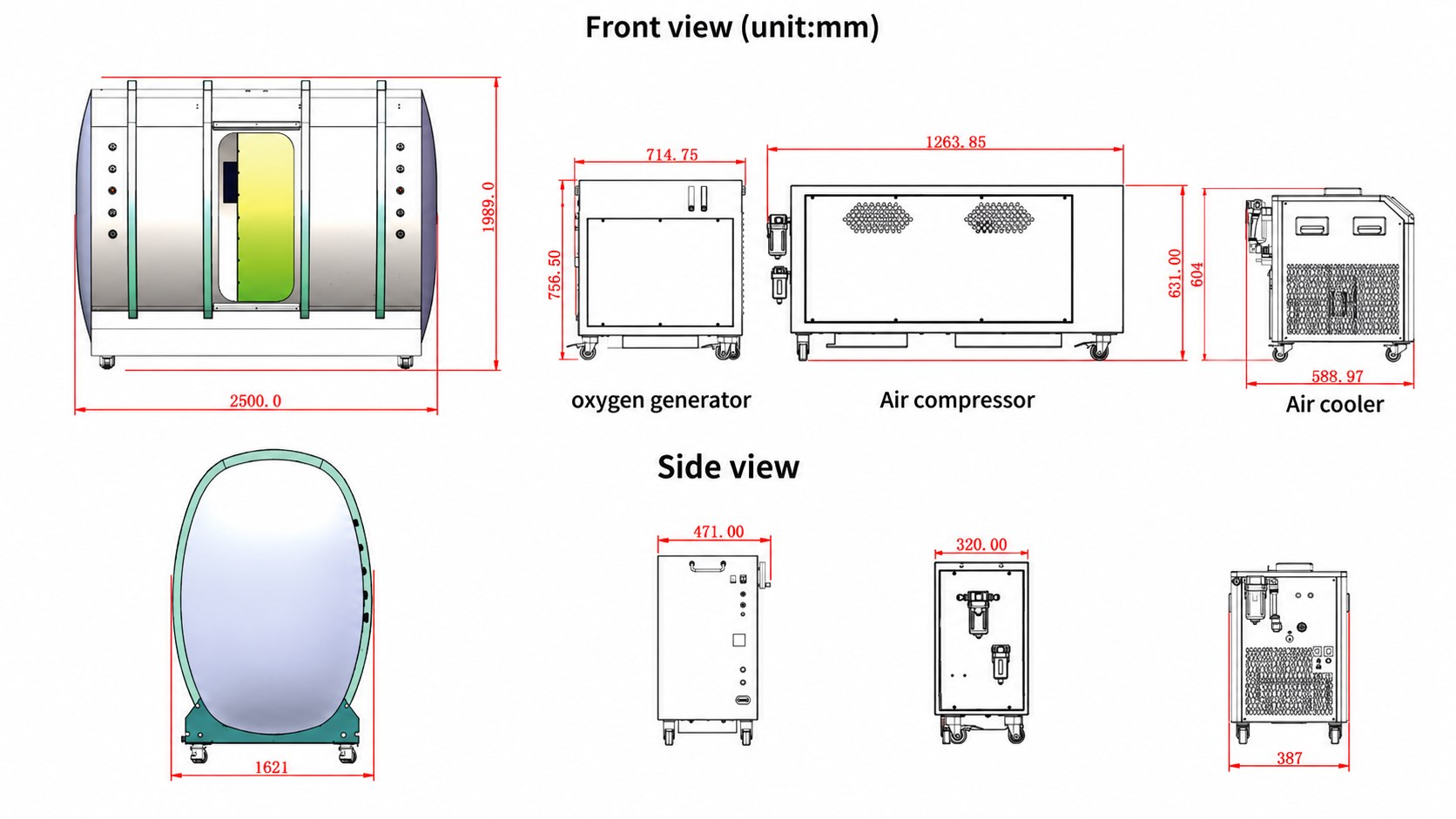
A complete hyperbaric chamber system includes the chamber body, control system, pressurization equipment, oxygen supply equipment, and applicable interior facilities. The exact system scope, standard components, and optional equipment vary by chamber model and project configuration.
Chamber Body
The chamber body is the core pressure-bearing structure. It includes the chamber shell, entrance or door, observation windows, seals, and applicable pressure-related components.
Control System
Located on the external operating console, the control system manages applicable functions such as pressurization, pressure maintenance, depressurization, operating-time control, status display, communication, and alarms.
Air Compressor
The air compressor is a core part of an air-pressurized chamber system. It supplies treated compressed air for chamber pressurization. Required capacity and air-treatment equipment depend on the chamber size and operating requirements.
Oxygen Generator
The oxygen generator supplies oxygen to the configured breathing system. Oxygen may be delivered through masks or other model-specific interfaces, depending on the chamber type and system design.
Air-Conditioning System
Applicable chamber models may include air-conditioning or temperature-control equipment to manage the internal environment and improve user comfort during operation.
Chamber Seating
Depending on the internal layout, the chamber may include a bed, single seat, or multiple seats. Seat structure, adjustability, materials, and fire-safety requirements should be confirmed for the selected model.
Interior Configuration
The interior may include lighting, flooring, wall finishes, air circulation, communication equipment, and other model-specific features designed around user access and daily operation.
Not all components are standard on every chamber. Buyers should confirm the complete equipment list, technical specifications, supporting-system requirements, and optional configurations before quotation.
Chamber assembly, control-system installation, sealing checks and functional testing form part of the complete hyperbaric chamber manufacturing process.
Where Are Hyperbaric Oxygen Chambers Used?
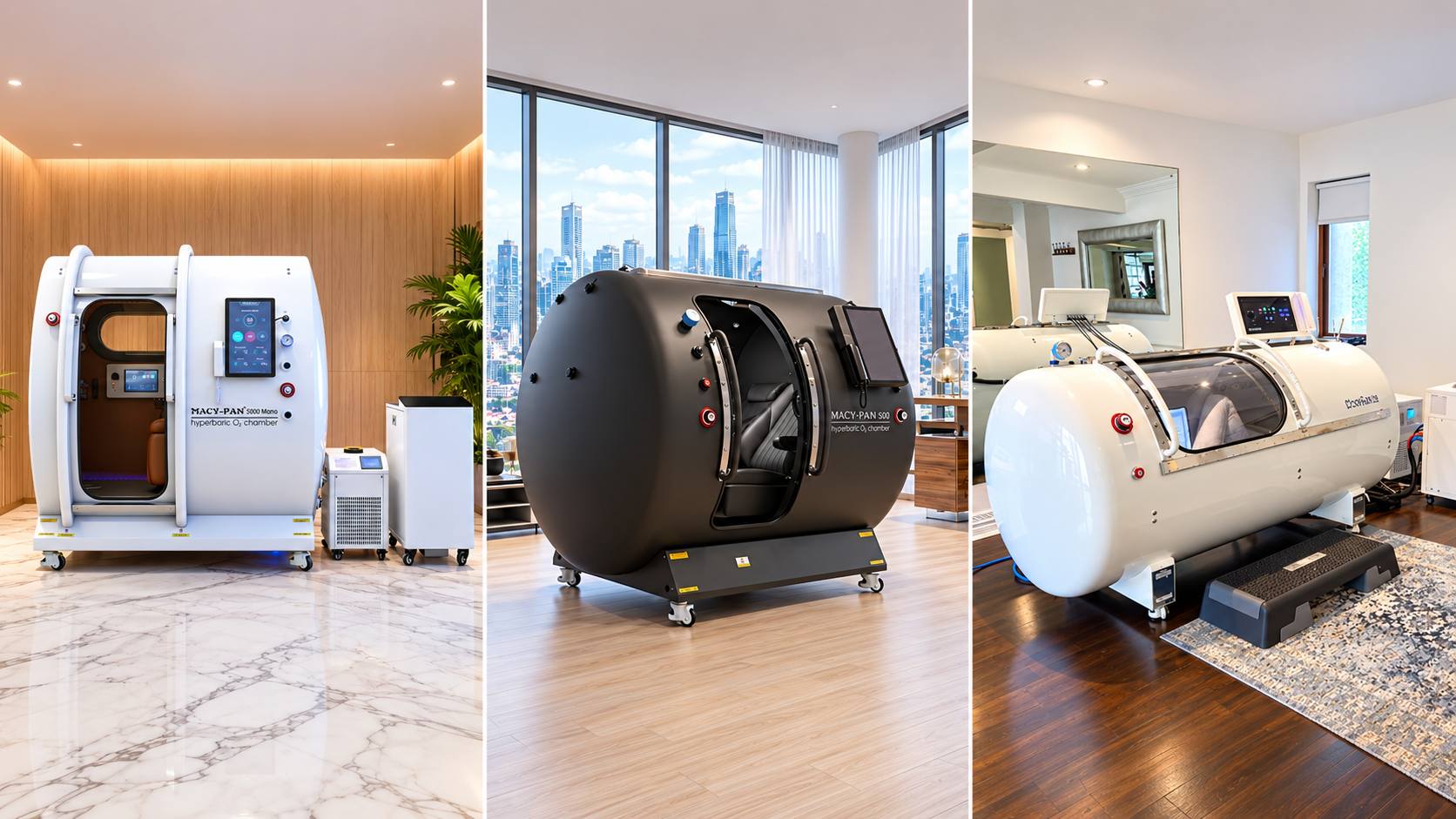
Hyperbaric oxygen chambers are installed in medical, rehabilitation, wellness, sports recovery, and private-use environments. The appropriate chamber and operating arrangement depend on the intended use, user capacity, installation conditions, staffing, and local requirements.
Medical and Clinical Facilities
Medical and clinical facilities require suitable professional supervision, operating procedures, technical documentation, and compliance with applicable local requirements.
Explore Hyperbaric Chambers for Medical Clinics
Rehabilitation Centers
Rehabilitation centers may incorporate a chamber into their wider equipment and service planning. Selection should consider user access, daily schedules, staff operation, and the facility’s project requirements.
Explore Hyperbaric Chambers for Rehabilitation Centers
Wellness and Medical Spa Facilities
These projects typically focus on room planning, user experience, appointment frequency, staff workflow, and destination-specific operating requirements.
Explore Hyperbaric Chambers for Medical Spas
Sports and Recovery Centers
Sports recovery facilities often consider user capacity, session turnover, internal space, and how the chamber fits alongside existing recovery services.
Explore Hyperbaric Chambers for Sports Recovery
Private and Customized Installations
Private installations require confirmation of room dimensions, delivery access, power supply, ventilation, operating management, and applicable local requirements.
Explore Custom Hyperbaric Chamber Solutions
What Is the Difference Between a Hyperbaric Chamber and Oxygen Therapy at Normal Pressure?
Oxygen therapy at normal pressure provides supplemental oxygen without increasing the surrounding atmospheric pressure. A hyperbaric chamber creates a controlled environment above normal atmospheric pressure and delivers oxygen according to the chamber configuration and operating protocol.
The main differences are:
- Normal-pressure oxygen therapy: Increases the oxygen concentration breathed by the user at normal atmospheric pressure.
- Hyperbaric chamber operation: Combines controlled chamber pressurization with a specified oxygen delivery method.
- Equipment requirements: Hyperbaric operation requires a pressure-bearing chamber, pressure controls, monitoring, and applicable safety systems.
- Operating procedures: Pressure, oxygen concentration, delivery method, and supervision requirements depend on the equipment and intended use.
Increasing oxygen concentration alone does not create a hyperbaric environment. Likewise, entering a pressurized chamber does not mean that every system uses the same oxygen concentration or delivery method. Buyers should confirm the chamber specifications and intended operating protocol separately.
What Safety Features Should a Hyperbaric Chamber Have?
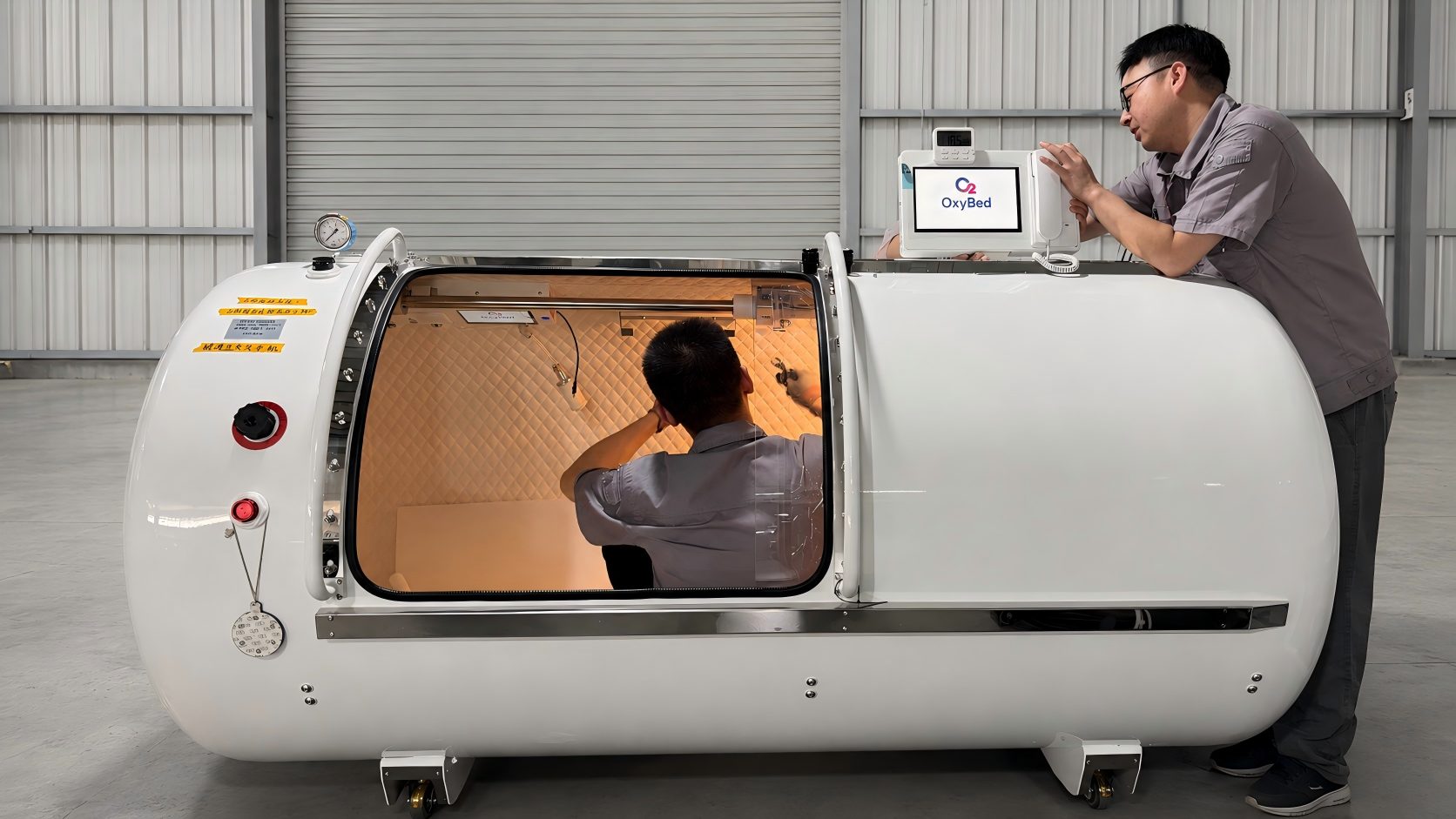
A hyperbaric chamber should combine pressure-control functions, operator monitoring, communication, alarms, and appropriate emergency controls. Safe operation also depends on correct installation, fire-prevention procedures, routine inspection, and trained personnel.
Pressure Control and Emergency Functions
Applicable safety features may include controlled pressurization and depressurization, real-time pressure display, pressure-release devices, emergency depressurization, door-status monitoring, and system alarms. The exact functions are model-specific.
Communication and Operator Monitoring
The chamber should provide internal-to-external communication and an external operating system. During use, trained personnel should continuously monitor chamber pressure, operating status, alarms, and the user while following defined operating and emergency procedures.
Fire Prevention and Operating Controls
High oxygen concentrations can increase fire risk. Facilities should control prohibited items, use suitable clothing and interior materials, check grounding, and follow room-safety, cleaning, maintenance, and inspection requirements.
The FDA’s 2025 safety communication emphasizes proper equipment grounding, staff training, continuous user monitoring, fire-prevention measures, and compliance with the manufacturer’s instructions. Electrical devices, static-producing items, oils, flammable materials, and other prohibited items should be managed according to the specific equipment requirements. Read the FDA HBOT device safety communication.
Buyers should review model-related testing records, operating documents and applicable requirements as part of a broader hyperbaric chamber safety review before confirming a project.
What Should Project Buyers Confirm Before Choosing a Chamber?
Before selecting a hyperbaric oxygen chamber, buyers should define the basic project requirements. These details help determine which chamber type and configuration should receive further technical evaluation.
Intended Use
Define the facility type, planned use, operating environment and expected daily use. These factors help determine which chamber structure, capacity and system configuration should be considered for the project.
User Capacity
Confirm how many users need to enter the chamber during each session. Also consider expected daily user volume, appointment frequency and scheduling requirements when determining the appropriate chamber capacity.
Chamber Type
Compare monoplace and multiplace chambers based on user capacity, internal layout, entrance design, privacy, session scheduling and available installation space. Consider how each configuration fits your facility’s daily workflow.
Operating Pressure
Confirm the required working-pressure range before selecting a model. Verify that the chamber and its pressure-control configuration support the required operating range and match the intended project requirements.
Installation Space
Confirm room dimensions and the required clearance for operation, ventilation, cleaning, inspection and maintenance. Review the hyperbaric chamber room requirements before finalizing the installation space.
Delivery Access
Measure doorways, corridors, elevators, stairs, turning areas, and the final room entrance using the chamber’s complete external dimensions.
Supporting Equipment
Confirm the required air compressor, oxygen supply, control system, temperature-control equipment, and other model-specific supporting systems.
Destination Requirements
Review applicable hyperbaric chamber regulations for the destination market, including relevant documentation, installation and operating requirements.
These checks provide the starting point for chamber selection. For a more detailed comparison of chamber capacity, pressure, layout, and installation requirements, read How to Choose a Hyperbaric Oxygen Chamber.
Once the intended use, user capacity, operating pressure and available room have been defined, the next step is to determine how to choose a hyperbaric oxygen chamber for the project.
Common Questions About Hyperbaric Oxygen Chambers
Is a Hyperbaric Chamber Filled with Pure Oxygen?
Not always. The chamber pressurization gas and oxygen delivery method depend on the chamber type and system design. Buyers should check the configuration of the specific model.
What Does ATA Mean in a Hyperbaric Chamber?
ATA means atmospheres absolute and is used to express absolute pressure. The required working pressure depends on the chamber model, intended use, and applicable operating requirements.
What Is the Difference Between Monoplace and Multiplace Chambers?
A monoplace chamber is typically designed for one user, while a multiplace chamber accommodates two or more users. They differ in capacity, internal space, oxygen delivery, and operating arrangements.
Can Users Communicate with the Operator Inside the Chamber?
Yes, if the chamber is equipped with an internal-to-external communication system. Available communication functions should be confirmed for the selected model.
How Long Does a Hyperbaric Chamber Session Last?
Session duration varies according to the intended use, operating protocol, equipment, and applicable professional requirements. One fixed duration should not be applied to every user or project.
What Equipment Is Required with a Hyperbaric Chamber?
A complete system may include the chamber body, control system, air compressor, oxygen supply system, communication equipment, temperature control, and other supporting equipment. The actual scope is model-specific.
How Much Space Does a Hyperbaric Chamber Require?
Space planning should include the chamber, supporting equipment, operator access, ventilation, cleaning and maintenance clearance, and delivery route—not only the hyperbaric chamber dimensions.
Are All Hyperbaric Chambers Used in the Same Way?
No. Chamber structure, capacity, working pressure, oxygen delivery, operating procedures, and installation environments vary between models and applications.
Explore Hyperbaric Chamber Options for Your Project
Understanding how a hyperbaric oxygen chamber works is the first step. The appropriate configuration depends on the required user capacity, working pressure, internal layout, installation space, daily operating plan, supporting equipment, and destination requirements.
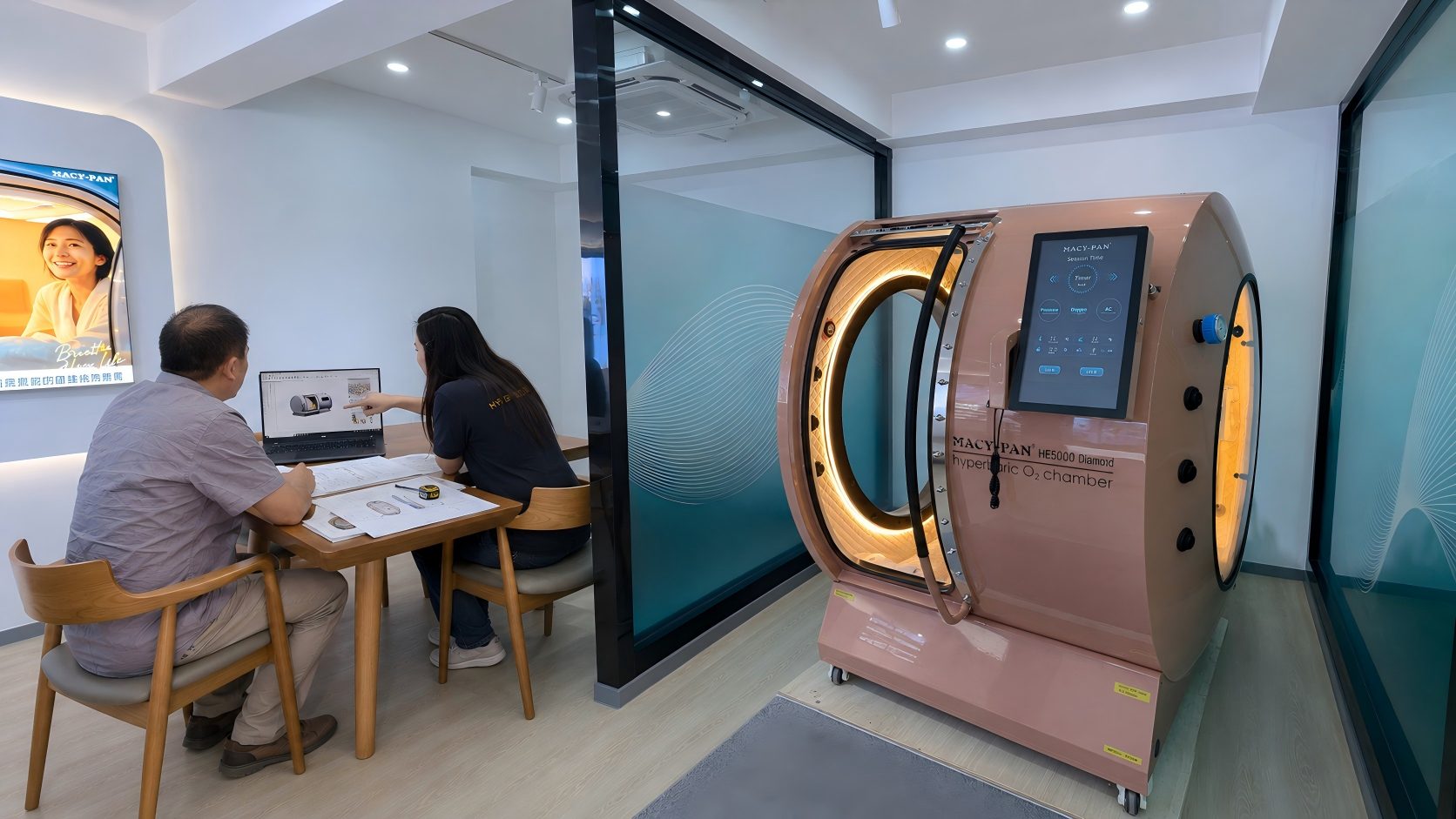
Explore MACY-PAN monoplace and multiplace hyperbaric chambers, or share your intended use, room dimensions, delivery access, and destination with our team for a model and configuration review.
Projects with specific interior layouts, exterior branding, system languages or supporting-equipment requirements can review the available hyperbaric chamber customization options.