ASME PVHO-1 for Hyperbaric Chambers: What Buyers Should Verify
When evaluating a hyperbaric chamber, buyers often compare chamber size, interior layout, operating pressure and control systems. But the chamber is also a pressure vessel designed for human occupancy, making its structural design, fabrication, examination, testing and documentation important parts of the purchasing review.
ASME PVHO-1 establishes requirements for pressure vessels for human occupancy and provides an important reference for evaluating how applicable hyperbaric chamber pressure-vessel structures are designed and constructed.
This guide explains what buyers should verify, how these requirements relate to chamber manufacturing, and which hyperbaric chamber certification documents should be reviewed for the specific model before ordering.
What Hyperbaric Chamber Manufacturing Details Should Buyers Verify?
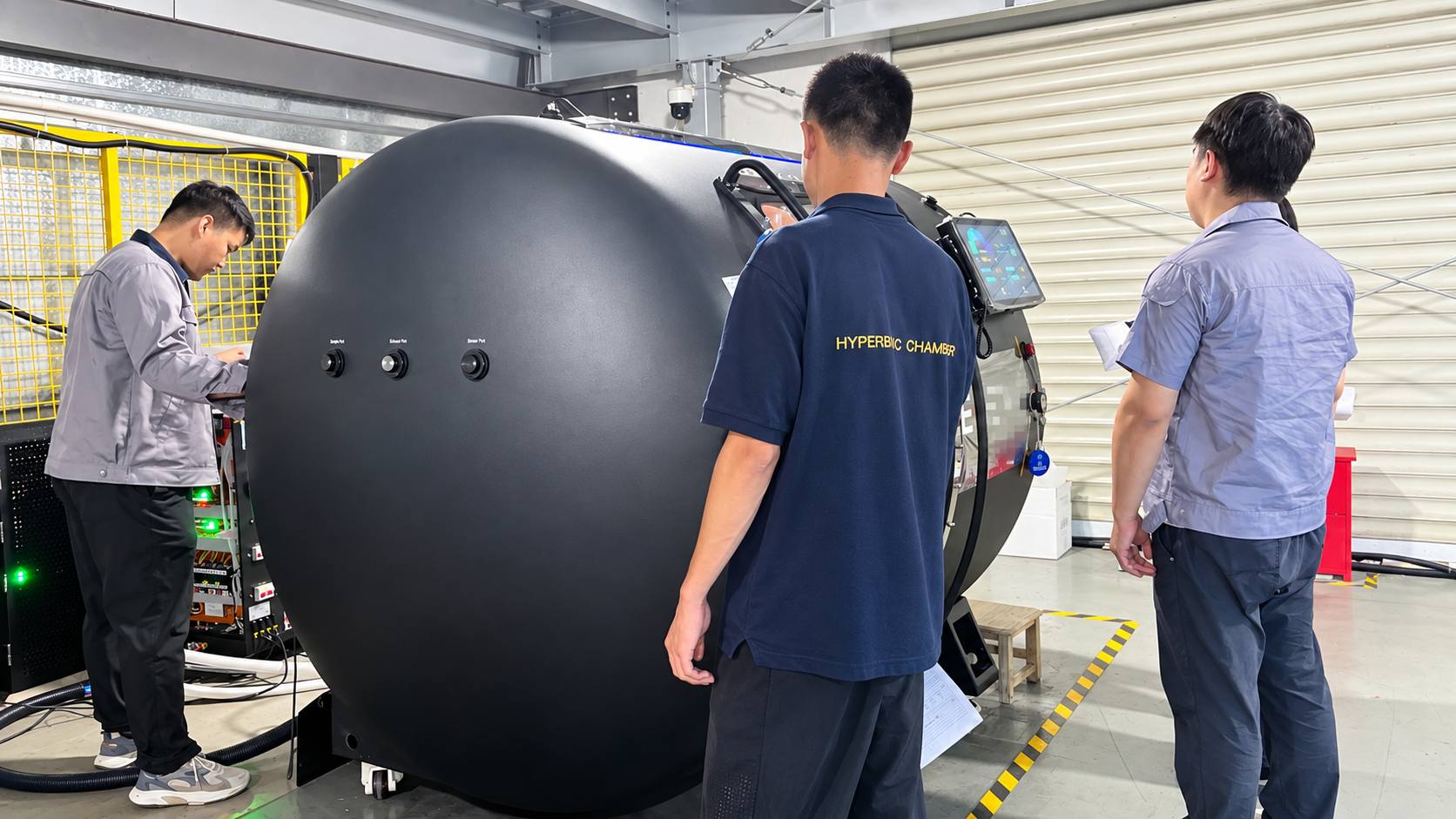
A specification sheet tells you the chamber size, operating pressure and system configuration, but it does not show how the final chamber is manufactured and verified. Buyers should also examine how the confirmed configuration is transferred into production, how pressure-related components and supporting systems are assembled, and what inspections are completed before shipment.
Confirm the Manufactured Configuration
The chamber entering production should match the model, operating-pressure configuration and system specifications confirmed in the order. For customized projects, buyers should also confirm that approved configuration changes are reflected in the final production and technical documentation.
Review Pressure-Vessel Components and Assembly
Ask how the chamber body, door, viewing windows and other pressure-related components are specified for the selected model and how their assembly is controlled during production. The relevant requirements and records should correspond to the actual chamber being supplied rather than a general product series.
Check System Integration and Final Inspection
Control systems, pressure monitoring, valves, electrical components and supporting systems should be installed and checked according to the confirmed chamber configuration. MACY-PAN performs applicable system inspections and functional checks during production and before shipment.
Verify the Final Chamber Against Its Documents
Before delivery, buyers should confirm that available specifications, inspection records, test records and supporting technical documents correspond to the chamber actually manufactured. This is especially important when interior layouts, control systems or other project-specific configurations have been customized.
See how MACY-PAN manages chamber fabrication, system integration, assembly, inspection and pre-shipment checks through our hyperbaric chamber manufacturing process.
How Can Buyers Verify an ASME PVHO-1 Claim for a Hyperbaric Chamber?
To assess a PVHO-1 claim, match the stated standard and supporting records to the chamber model, pressure configuration and equipment included in the order.
If a supplier states that a hyperbaric chamber is designed or manufactured in accordance with ASME PVHO-1, buyers should verify that statement against the specific chamber being quoted. Start with the exact model, chamber size, operating-pressure configuration and supplied system, then confirm which edition of the standard the manufacturer references.
ASME identifies PVHO-1 as the Safety Standard for Pressure Vessels for Human Occupancy. Buyers should therefore focus on whether the supplier can connect the stated standard to the design, fabrication, examination, testing and other applicable records for the pressure vessel being purchased. ASME also states that it does not itself “approve,” “certify,” “rate,” or “endorse” an item simply because an ASME standard is referenced. ASME
Match the Claim to the Exact Chamber
For example, if you are evaluating an HP2202 or 5000 Mono quotation, first record the exact model, chamber dimensions, operating pressure and included configuration. The documentation you review should be relevant to that equipment rather than only describing the manufacturer or a broader product family.
Confirm the Standard and Edition Referenced
Ask the manufacturer to identify the applicable standard and edition used for the chamber. This matters because standards are periodically revised; for example, ASME lists PVHO-1–2023 as an edition of the Safety Standard for Pressure Vessels for Human Occupancy. ASME
Review the Supporting Records
Ask what available design, manufacturing, examination and testing documentation supports the supplier’s PVHO-1 statement. The appropriate records will depend on the chamber and project, so buyers should evaluate the actual documentation provided rather than expecting every product to have one identical document called a “PVHO-1 certificate.”
Buyers can review available certification, testing and technical document categories through the MACY-PAN Document Center before requesting documents for a specific chamber configuration.
If a document identifies a product series rather than the exact chamber configuration, ask the manufacturer to explain how your quoted model falls within that scope. Model, dimensions, pressure configuration and relevant equipment details should be checked against the final order.
Recheck Documents After Customization
If the chamber structure or other relevant project configuration changes before production, confirm whether the supporting drawings, specifications, inspection records and other applicable documents still correspond to the chamber that will actually be delivered.
The key purchasing question is not simply “Do you meet PVHO-1?” It is: “What evidence connects this PVHO-1 claim to the exact chamber I am buying?”
When reviewing supplier certificates, test reports and technical records, use the same model- and configuration-specific approach described in our guide on how to verify hyperbaric chamber certification documents before ordering.
What Other Standards Apply Beyond ASME PVHO-1?
PVHO-1 focuses on the design, fabrication, examination, testing and other construction requirements for pressure vessels for human occupancy. A complete hyperbaric chamber project, however, may require additional review beyond the pressure vessel itself.
After the chamber is placed in service, ASME PVHO-2 addresses post-construction requirements for PVHOs and PVHO systems designed, constructed, tested and certified in accordance with PVHO-1.
Facility-level requirements may also involve fire protection, oxygen systems, electrical systems, ventilation, installation and operating procedures.Depending on the facility type and project location, buyers may also need to review NFPA 99 requirements for hyperbaric chamber facilities and the applicable hyperbaric chamber regulations for the destination market and intended use.
Buyers should therefore evaluate the chamber, supporting systems, installation conditions and destination requirements together rather than treating PVHO-1 as evidence that the entire project meets every applicable requirement.
For a MACY-PAN project, provide the destination country, intended use, chamber model, required operating pressure and site requirements. This allows our team to review the proposed configuration, installation conditions and available documents relevant to the specific project.
Review the Chamber Documents for Your Project
Tell MACY-PAN which chamber model you are considering, its required operating pressure, intended use and installation country. If your engineering or procurement team has a standards checklist, include it with your enquiry. We can review the proposed configuration and identify the available technical and inspection documents relevant to that model.
Request Technical Documents for Your Model
Discuss Your Chamber Requirements
ASME PVHO-1 and Hyperbaric Chambers: Buyer FAQs
Does PVHO-1 apply to both monoplace and multiplace chambers?
PVHO-1 addresses pressure vessels for human occupancy and can be relevant to both monoplace and multiplace hyperbaric chambers when they fall within its scope. Buyers should verify applicability against the specific chamber design, pressure configuration and project requirements. ASME
Is “designed to PVHO-1” the same as holding a product certificate?
No. A statement that a chamber is designed or manufactured to PVHO-1 describes the standard being referenced; it should not automatically be treated as a product certification. Buyers should request supporting documents and verify their scope against the specific chamber being ordered. ASME
Which model details should appear in a document request?
Include the exact chamber model, size, operating-pressure configuration, intended use, destination country and any customized configuration. This helps the manufacturer identify documents relevant to the actual chamber being purchased.
What is the difference between PVHO-1 and PVHO-2?
PVHO-1 addresses requirements for pressure vessels for human occupancy, including their design and construction, while PVHO-2 addresses in-service guidelines for PVHOs after they enter operation. They cover different stages of the vessel lifecycle. ASME
Does PVHO-1 replace facility safety or local market requirements?
No. PVHO-1 does not by itself establish that an entire hyperbaric facility meets all applicable installation, fire, electrical, oxygen-system, operational or local regulatory requirements. Buyers should identify and review the additional requirements applicable to the facility, intended use and destination market.