Hyperbaric Chamber Operator Training: What It Covers and How It Works
Hyperbaric chamber operator training should cover the specific model and control system, normal operating procedures, and how to recognize and respond to abnormal conditions according to the manufacturer’s instructions.
When selecting a chamber, buyers should also confirm who needs training, what it includes and how instruction and practical learning will be delivered. Equipment training should be considered separately from any locally required operator qualifications.
This guide explains the training scope and delivery process, helping you plan staff participation and clarify supplier support so your team can understand the equipment’s use requirements.
What Does Hyperbaric Chamber Operator Training Cover?
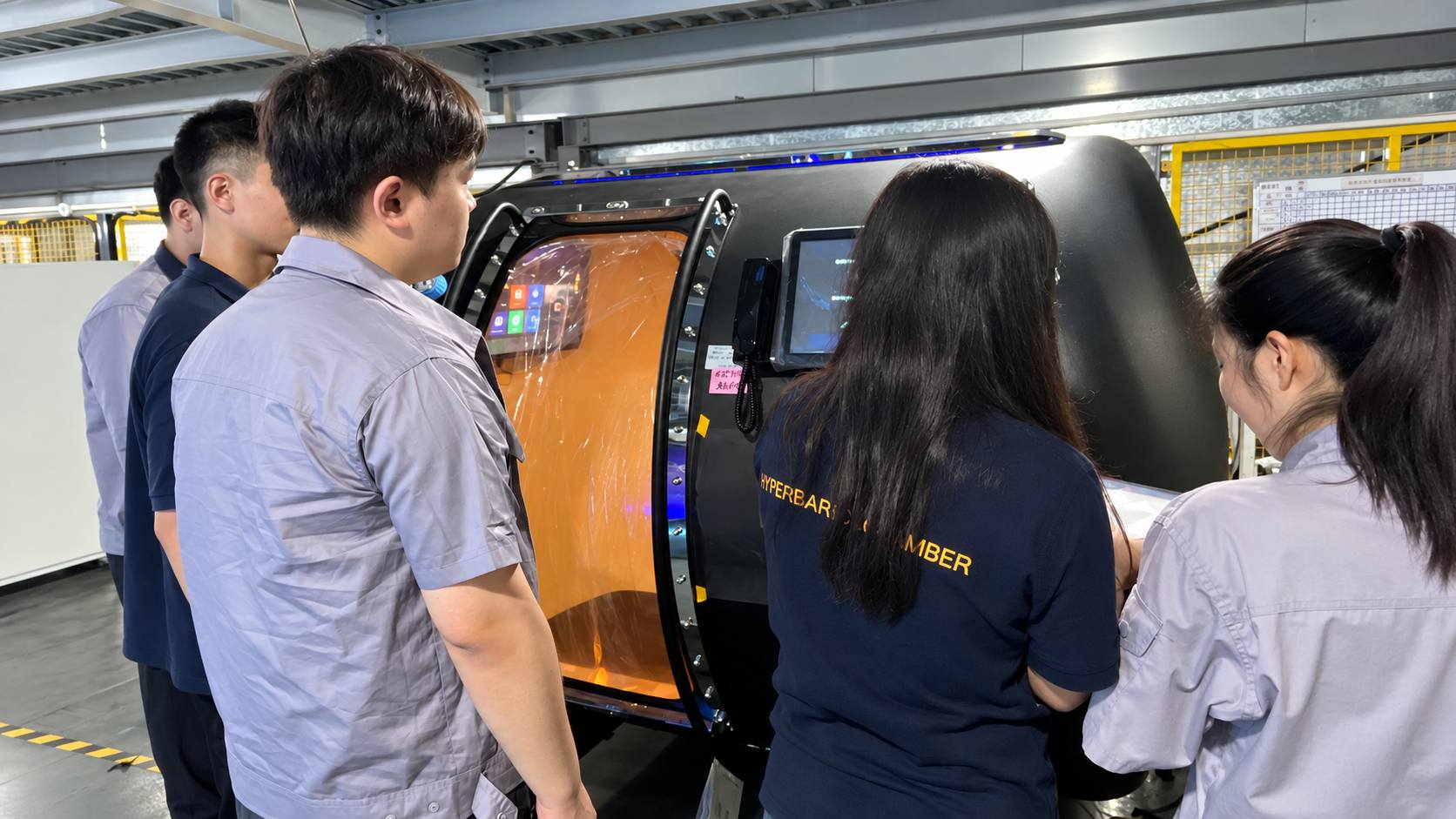
Hyperbaric chamber operator training should cover the tasks your staff will perform on the exact model and configuration you purchase. Confirm that the scope includes the chamber, its controls and the supporting equipment supplied with your system.
1. Chamber and system familiarization: Identify the controls, supporting equipment, operating limits and staff responsibilities for the supplied configuration.
2. Pre-use checks: Understand the checks required by the model’s manual and recognize conditions that require staff to pause use and report the issue.
3. Normal operation and monitoring: Understand the operating sequence, displayed information and communication functions, including what staff need to monitor during use.
4. Alarms and abnormal conditions: Recognize model-specific alarms, stop and emergency functions, and understand when to follow established procedures or contact technical support.
5. Cleaning, routine maintenance and records: For scheduled servicing, component care and technical-support planning, review our guide to hyperbaric chamber maintenance.Understand which tasks staff can complete, which require qualified service personnel, and what inspection, cleaning and maintenance records to keep.
For more on routine checks, see our guide to hyperbaric chamber safety and daily inspection.
Ask your supplier: “Does the training cover these tasks for the exact model and configuration we are purchasing?”
What Operator Training Materials and Support Should Buyers Expect?
Ask your supplier to specify the materials and support included with your chamber purchase. This gives you a clear basis for comparing training support alongside the equipment quotation.
Model-specific materials
Confirm which operating manuals, demonstration materials, alarm explanations, inspection and maintenance documents are available. Check their language and whether they cover your supplied configuration. Buyers can also use the Hyperbaric Chamber Documentation Center to review available document categories and request applicable documents for the selected model.
Basis for instruction
Equipment guidance should follow the applicable manual and manufacturer’s requirements for the delivered system. If the supplier claims alignment with an external training standard or accreditation, request its name, scope and supporting evidence.
Support options
Confirm whether on-site demonstrations, remote explanations, guided practice and question-and-answer support are available, and what each covers. Coordinate training with hyperbaric oxygen chamber installation support to clarify how equipment handover and staff instruction fit together.
Service scope
Clarify what the order includes, what requires additional fees or separate arrangements, and whom staff can contact with operating questions after training.
Request a written training support scope with your quotation, including the applicable materials, support arrangements and any exclusions. Manuals, videos and training duration help define the service; they do not, by themselves, establish readiness for independent operation.
How Is Hyperbaric Chamber Operator Competence Assessed?
Ask your supplier how staff understanding and practical ability are checked against the tasks they will perform. Attendance alone does not show that an employee is ready to take responsibility for chamber operation.
● Define the assessment criteria: Confirm the learning objectives for each role and how staff understanding of operating limits, normal conditions, abnormal indications and support procedures will be checked.
● Check understanding and practical ability: Ask whether assessment includes staff explanations, supervised demonstrations or scenario-based questions. Clarify who assesses performance, what constitutes satisfactory completion and how gaps are addressed through further guidance and reassessment.
● Understand the records provided: Attendance records document participation. Assessment records identify the abilities checked and the results. Any course completion certificate should state its issuer and scope; it should not automatically be treated as a professional qualification.
● Confirm responsibility for assigning duties: Identify who within your facility reviews staff readiness and authorizes operating responsibilities. Any applicable local personnel qualifications should be checked separately; see our guide to hyperbaric chamber regulations.
Before agreeing on training support, establish who assesses staff, what they assess, what records are provided and what happens if further training is needed. These details help your facility make an informed staffing decision without relying solely on a training certificate.
What Should You Share to Discuss Operator Training Support?
Share the details below so MACY-PAN can discuss available materials and support for your proposed chamber and team.
1. Destination, facility and planned use: Include any local personnel training requirements already identified.
2. Chamber model and configuration: Specify your preferred model or note that selection is still in progress.
3. Team size, roles and experience: Explain who will operate the equipment and whether they have previous chamber experience.
4.Language needs: State the languages your team needs for documents and instruction.
5.Project stage and expected start date: Indicate whether you are evaluating a purchase, preparing for delivery or seeking refresher guidance for existing equipment.
6.Specific requests: Include questions about practical guidance, assessment records or evidence requested by your local reviewer.
You can discuss training needs during model selection, even if some details remain undecided. MACY-PAN can review the proposed model with you and discuss available documents and support, with the scope confirmed for your project.