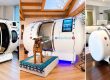
Types of Hyperbaric Chambers: A Guide to Chamber Designs and Configurations
The main types of hyperbaric chambers are monoplace and multiplace chambers, which differ primarily in user capacity, chamber design, interior layout and system configuration. Within these categories, chambers can also be configured with different operating pressures, seating or bed layouts, control systems, oxygen supply systems, air conditioning and interior features to suit different facilities and project requirements.
Understanding these differences helps buyers identify how each hyperbaric chamber type is designed hyperbaric oxygen chambers and what configuration factors should be reviewed for hospitals, medical clinics, rehabilitation centers, medical spas, sports recovery facilities, wellness centers and private installations.
This guide explains the main hyperbaric chamber types, their design and configuration differences, and how complete chamber systems can be adapted to different project environments.
What Are the Main Types of Hyperbaric Chambers?
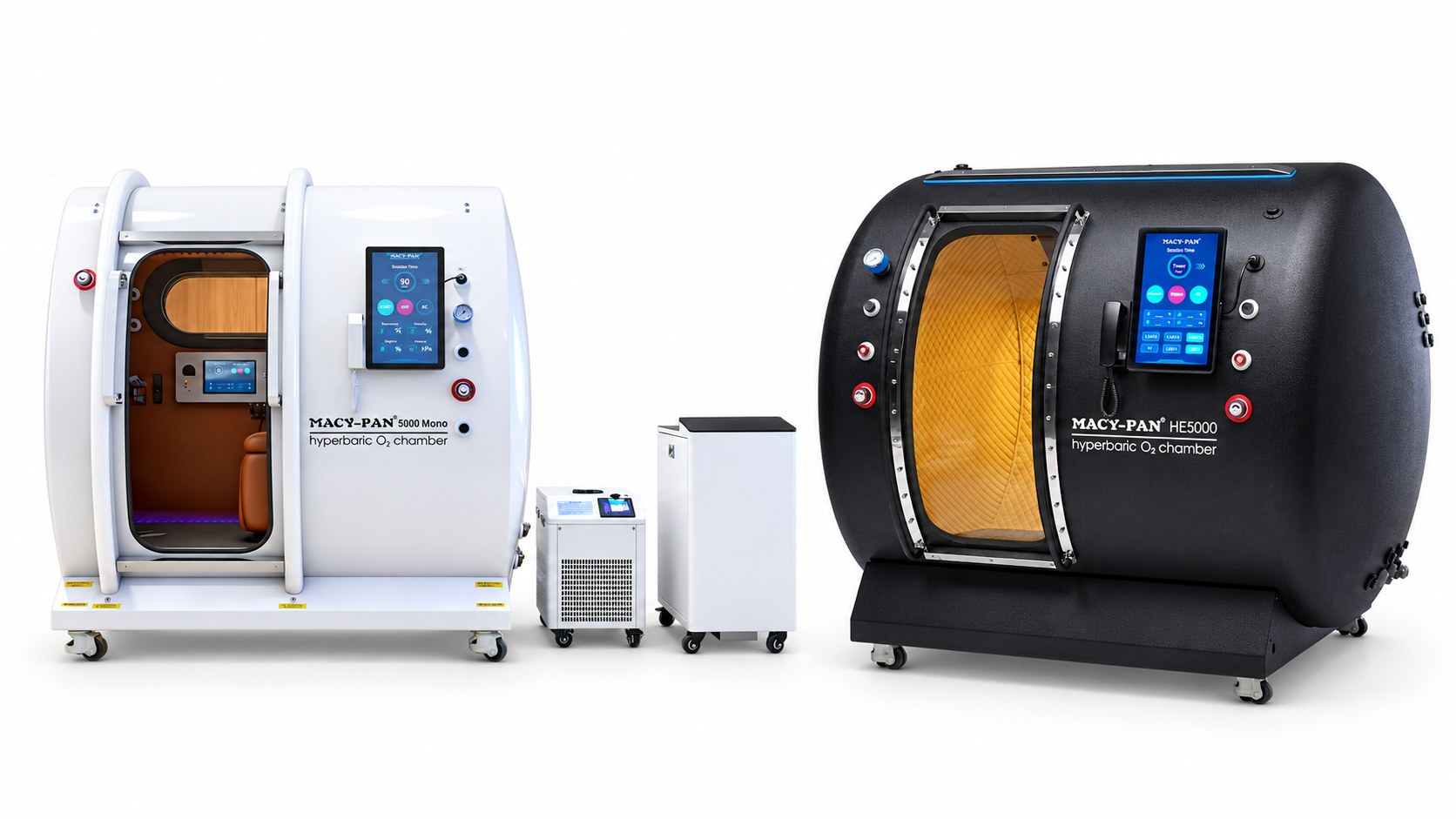
The two main types of hyperbaric chambers are monoplace chambers, designed for one user per session, and multiplace chambers, designed for two or more users. User capacity is the most direct way to distinguish the main types of hyperbaric chambers, but it is not the only difference buyers should understand.
Within these two categories, hyperbaric chambers can also differ in chamber structure, interior layout, operating-pressure configuration and supporting systems. Depending on the model and project requirements, a chamber may use a horizontal or walk-in design, bed or seating layout, internal and external controls, compressed-air supply, oxygen generation and delivery, air conditioning, lighting and other interior features.
The table below shows the main ways hyperbaric chamber types and configurations can be understood.
| Classification | Types or Configurations | What It Describes |
| User Capacity | Monoplace / Multiplace | Whether the chamber is designed for one user or multiple users per session |
| Chamber Design | Horizontal / Walk-in | How users enter, position themselves and use the chamber |
| Interior Layout | Bed / Seat / Combined Layout | How the interior is arranged for different users and project requirements |
| Operating Pressure | Model-Specific Pressure Configurations | The operating-pressure range available for a specific chamber model |
| Control Configuration | External / Internal and External Controls | How chamber operation is controlled and monitored |
| Supporting Systems | Air Supply / Oxygen Supply / Air Conditioning / Lighting | Systems that support chamber operation and user comfort |
| Project Configuration | Facility / Private / Customized | How the chamber and supporting systems are configured for the installation environment |
For buyers, these differences matter because chambers within the same general category can still have different capacities, layouts, system configurations and installation requirements. A chamber for a hospital or medical clinic, for example, may be configured differently from one intended for a rehabilitation center, wellness facility or private installation.
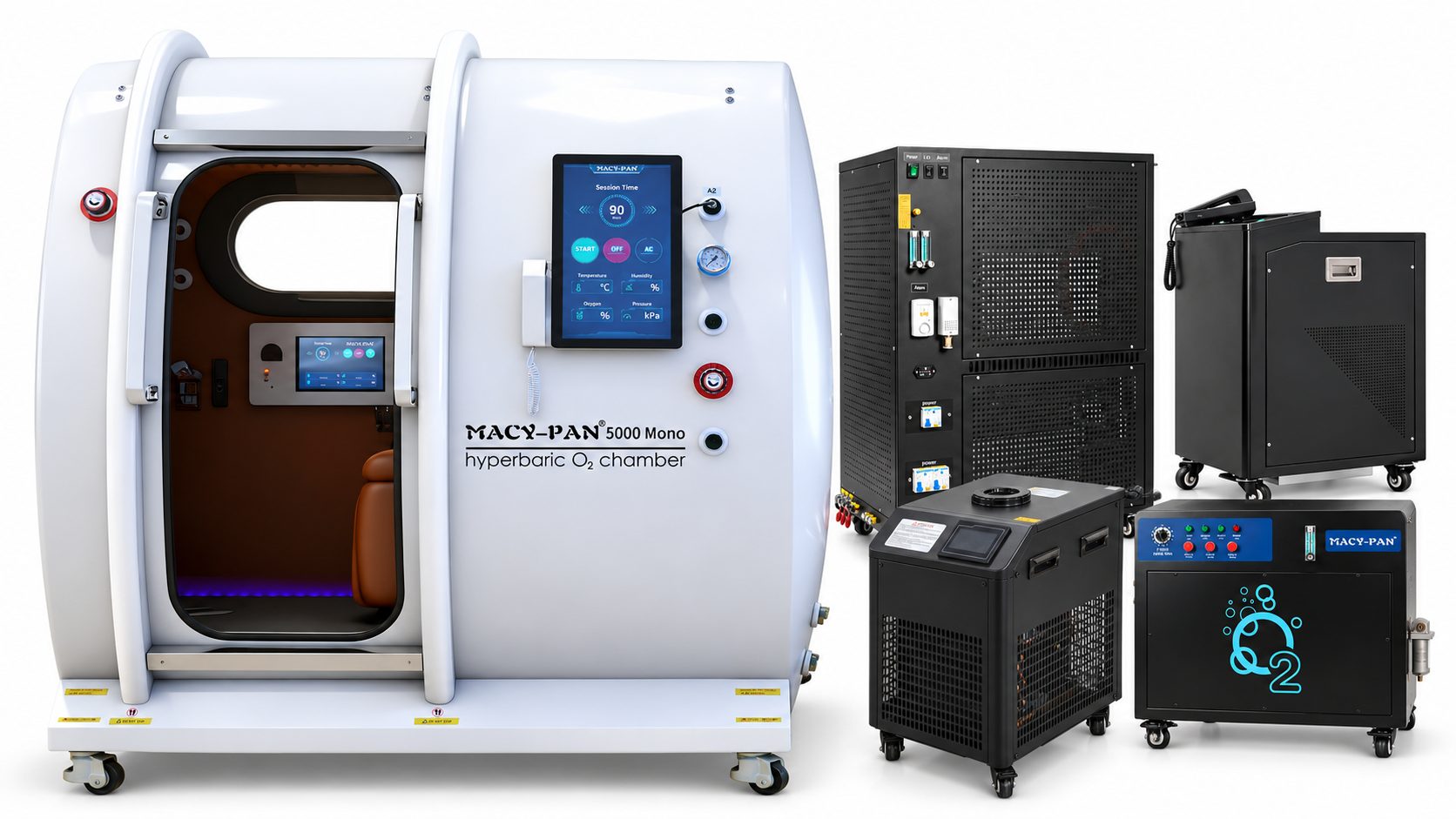
A complete hyperbaric chamber system also includes more than the chamber body itself. Depending on the selected model and confirmed configuration, MACY-PAN systems can integrate the chamber body, door and observation windows, control system, air compressor, oxygen generator, air-conditioning system, seating, lighting, flooring and other interior components.
Buyers who need to compare the chamber body with the supporting equipment can review what is included in a complete hyperbaric chamber system before selecting a configuration.
Understanding these classifications provides a clearer foundation for comparing chamber designs. The following sections look more closely at monoplace and multiplace hyperbaric chambers and how their structures and configurations differ.
Monoplace Hyperbaric Chambers
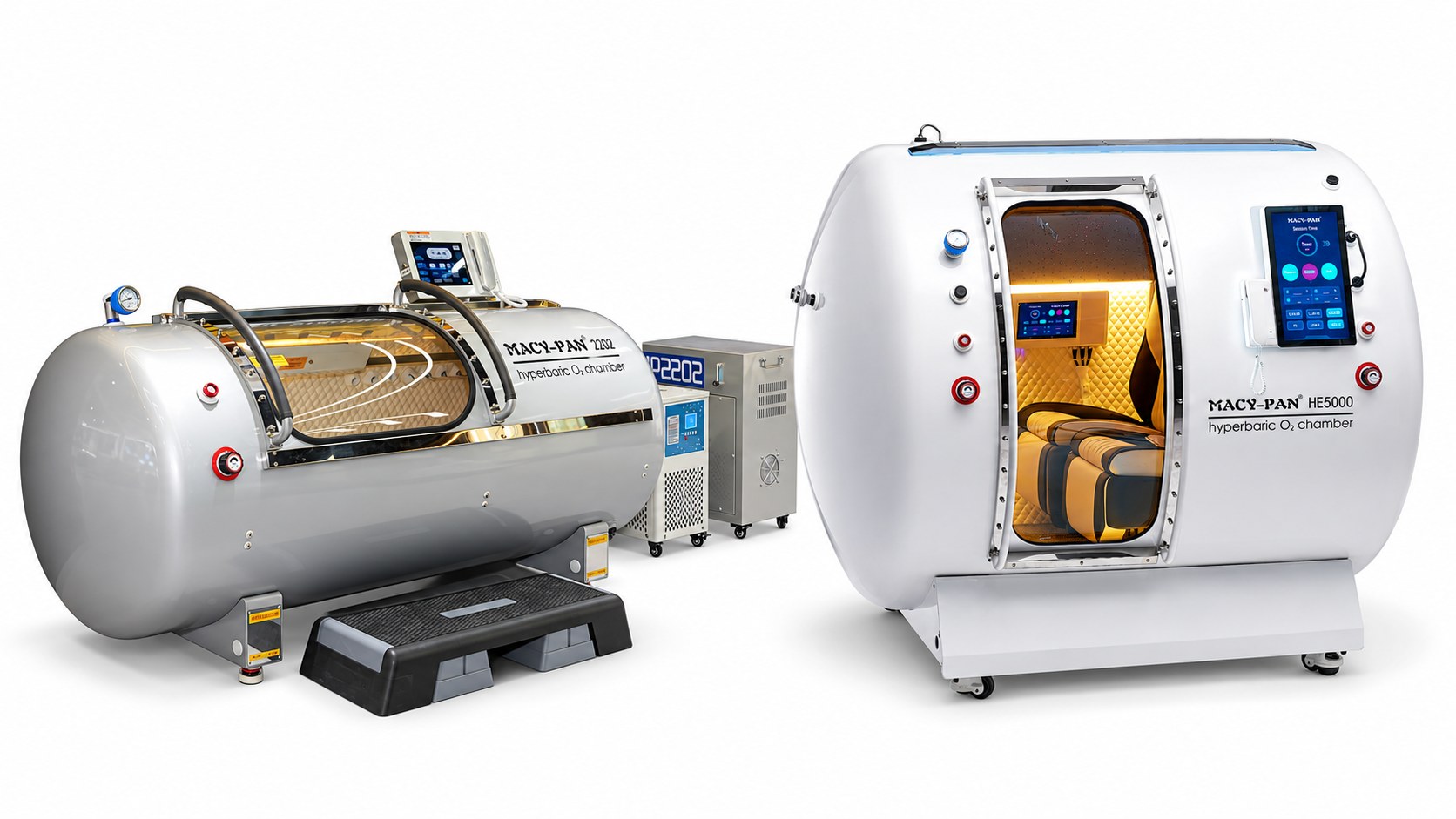
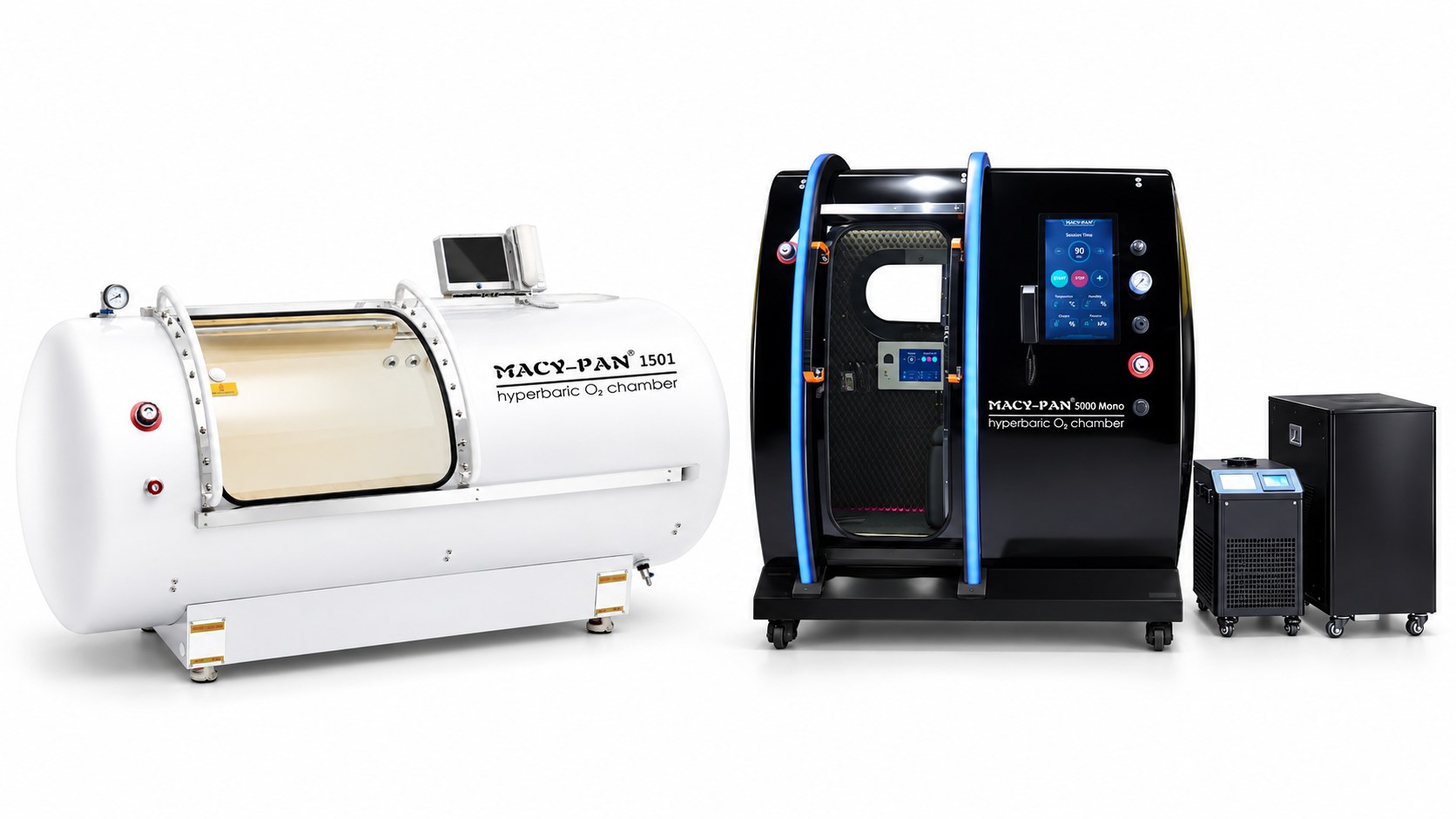
A monoplace hyperbaric chamber is designed for one user per session. While all monoplace chambers share this single-user configuration, their chamber structure, user position, entry method, interior space and supporting systems can vary significantly between models.
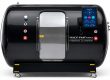
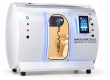
Traditional horizontal monoplace chambers are designed primarily for a user in a lying position. Depending on the chamber dimensions and interior configuration, some models can provide more flexible sitting or reclining positions. Walk-in monoplace hyperbaric chambers use a larger chamber structure and entry door, providing a more spacious interior where the user can enter the chamber more easily and use a seat or other configured interior arrangement.
MACY-PAN monoplace chamber configurations include different chamber sizes, operating-pressure ranges and interior designs. Depending on the selected model and project requirements, the complete system can integrate external or internal controls, compressed-air supply, oxygen generation and delivery, air conditioning, lighting and other supporting components.
Common Monoplace Chamber Designs
| Design | Typical Configuration | Key Characteristics |
| Horizontal Monoplace Chamber | Single user, primarily lying | Compact horizontal chamber design for individual sessions |
| Sit-or-Lie Monoplace Chamber | Single user, sitting, reclining or lying depending on model | Provides greater flexibility in user positioning and interior space |
| Walk-In Monoplace Chamber | Single user with seat or configured interior | Larger entry and interior space with a more open chamber layout |
The main distinction is therefore not simply whether a chamber is “monoplace.” Buyers should also understand how the chamber is structured, how the user enters and is positioned inside, what operating-pressure configuration is available, and which supporting systems are included for the specific model.
For actual chamber dimensions, pressure configurations and available models, explore Monoplace Hyperbaric Oxygen Chambers.
Multiplace Hyperbaric Chambers
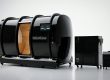
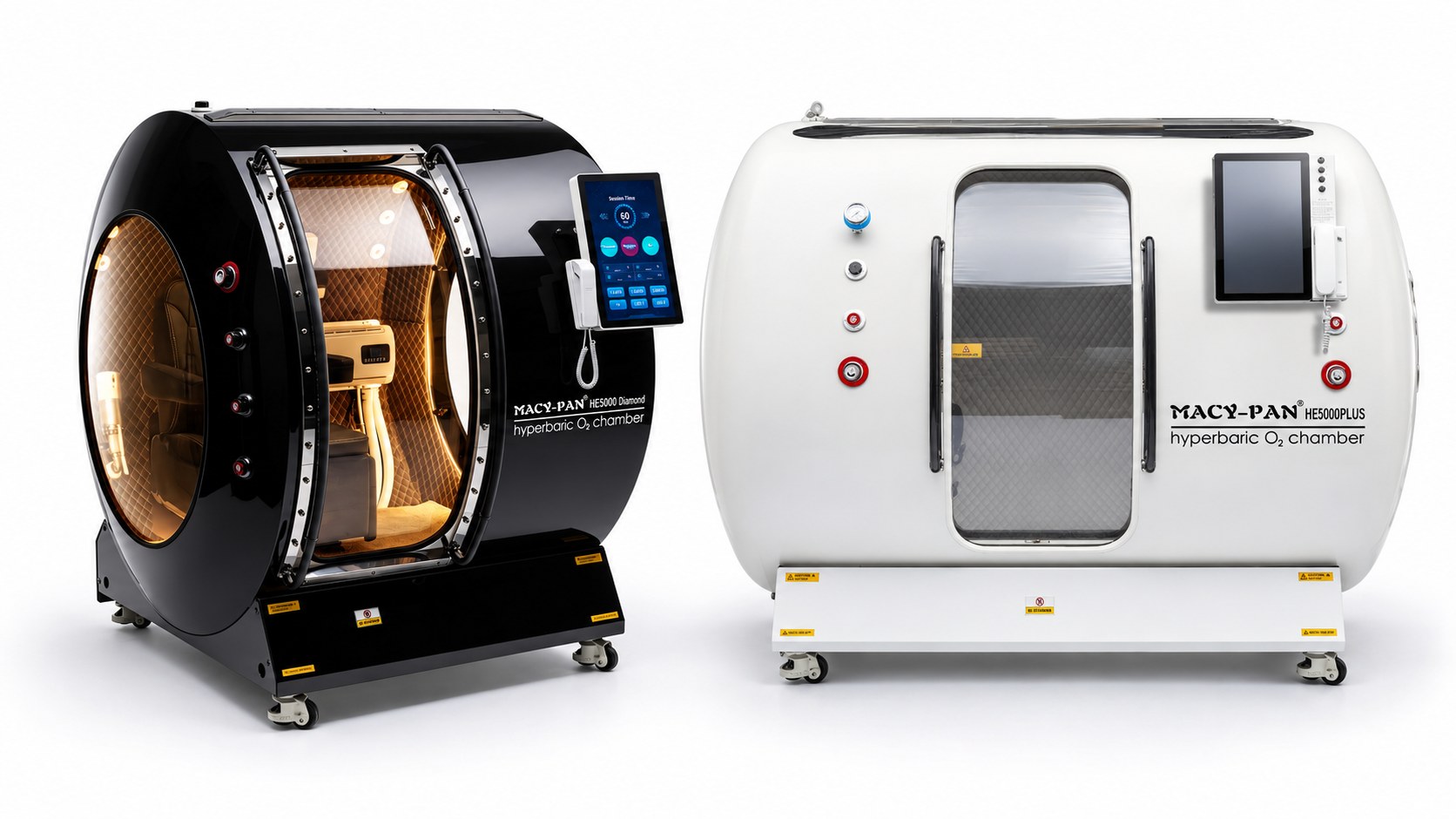
A multiplace hyperbaric chamber is designed to accommodate two or more users within the same chamber. Compared with a monoplace chamber, the larger chamber structure provides more interior space and allows different seating, bed or combined layouts to be configured around user capacity and project requirements.
Multiplace chambers can vary considerably in size and interior design. Depending on the model, users may be seated individually, positioned on a bed, or accommodated through a combination of seating and lying arrangements. Larger entry doors and walk-in configurations can also provide easier access to the chamber and more flexibility in arranging the interior space.
The operating system is another important structural difference. Depending on the selected MACY-PAN model and configuration, a complete multiplace chamber system can integrate internal and external controls, compressed-air supply, individual oxygen delivery, air circulation and CO₂ management, air conditioning, lighting, communication and pressure-control functions.
Common Multiplace Chamber Configurations
| Configuration | Typical Layout | Key Characteristics |
| Two-Person Chamber | Seats / Bed / Combined | Designed for two users with flexible interior arrangements |
| Seated Multiplace Chamber | Multiple seats | Uses chamber space to accommodate several seated users |
| Bed Configuration | Bed or lying arrangement | Provides an interior layout configured for lying positions |
| Walk-In Multiplace Chamber | Seats, bed or combined layout | Larger entry and interior space for multi-user configurations |
The defining feature of a multiplace chamber is therefore multi-user capacity, while chamber dimensions, interior layout, operating pressure and supporting systems can vary by model and project. These differences allow multiplace hyperbaric chambers to be configured for different facility environments and operating requirements.
For available models, user capacities, chamber layouts and system configurations, explore Multiplace Hyperbaric Oxygen Chambers.
How Hyperbaric Chambers Differ by Design and Configuration
Hyperbaric chambers are not defined by user capacity alone. Chamber layout, interior arrangement, operating pressure, control configuration, oxygen delivery and installation conditions can all differ between models. These differences determine how a chamber is configured for a specific facility, user environment and project requirement.
For buyers comparing different types of hyperbaric chambers, understanding these configuration differences provides a more complete picture than simply comparing monoplace and multiplace designs.
| Configuration Factor | Common Configurations | What Buyers Should Understand |
| User Capacity | Single-user / Multi-user | Determines how many users the chamber is designed to accommodate per session |
| Chamber Layout | Horizontal / Walk-in | Affects chamber access, user positioning, interior space and room planning |
| Interior Layout | Bed / Seat / Combined | Determines how users are positioned and how the available chamber space is arranged |
| Operating Pressure | Model-specific pressure ranges | Available operating pressure depends on the chamber model and confirmed configuration |
| Control Configuration | External / Internal and external controls | Determines where chamber operation can be controlled and monitored |
| Oxygen Delivery | Model-specific oxygen supply configurations | Oxygen delivery should be confirmed according to the selected chamber and system configuration |
| Installation Configuration | Professional facility / Private installation | Chamber size, delivery access, utilities and site conditions vary by project |
Chamber Layout and Interior Configuration
A horizontal hyperbaric chamber typically positions the user in a lying or reclining arrangement and can provide a relatively compact installation footprint. Other chamber designs provide additional interior space for sitting, reclining or different configured positions.
Walk-in hyperbaric chambers use a larger entry and chamber structure, allowing users to enter through a door rather than primarily accessing the chamber from a horizontal opening. Depending on the model, the interior can be configured with seats, a bed or a combination of arrangements.
Chamber design also affects the space required for the equipment and installation. Compare hyperbaric chamber dimensions when reviewing internal space, external size and facility fit for different models.
Interior configuration therefore varies according to both chamber design and intended project use. Seating, lighting, flooring, air conditioning and other interior components can be configured according to the selected MACY-PAN model and confirmed project requirements.
Operating Pressure and Control Configuration
Operating pressure is a model-specific configuration rather than a separate chamber type. Different hyperbaric chamber models are designed around different operating-pressure ranges, so buyers should verify the available pressure configuration for the specific model being considered rather than assume that all monoplace or multiplace chambers operate at the same pressure.
If operating pressure is part of your model comparison, review 1.5 ATA vs 2.0 ATA hyperbaric chambers to understand which project factors should be compared before selecting a pressure configuration.
Control systems can also differ. Depending on the MACY-PAN model, chamber operation may be managed from an external control system or through both internal and external controls. These systems support functions such as pressurization, pressure holding and depressurization according to the chamber configuration.
Air Supply, Oxygen Delivery and Supporting Systems
The chamber body is only one part of a complete hyperbaric chamber system. A configured MACY-PAN system can include an air compressor for chamber pressurization, an oxygen generator for user oxygen supply, control systems, air conditioning, seating and interior components.
The exact oxygen delivery and supporting-system configuration varies by model. Buyers should therefore review the complete system scope rather than compare chamber shells or exterior dimensions alone.
Installation Configuration
Installation requirements can also distinguish one chamber configuration from another. A chamber intended for a hospital, medical clinic, rehabilitation center or wellness facility may need to fit an existing room, daily operating workflow and delivery route, while a private installation can involve different space and site conditions.
Before a configuration is confirmed, key project information can include available room dimensions, delivery access, expected user capacity, operating pressure, destination market, utilities and local installation conditions.
Facilities should also review the hyperbaric chamber room requirements for room space, equipment layout, delivery access and site conditions before finalizing a chamber configura
Project-specific chamber configurations can also be reviewed through Custom Hyperbaric Oxygen Chambers.
This is why two hyperbaric chambers within the same broad category can represent very different complete systems. Monoplace or multiplace describes the basic user-capacity type; chamber design, interior layout, pressure configuration, controls, oxygen delivery and installation requirements define the actual project configuration.
Learn more about Hyperbaric Oxygen Chamber Installation Support for site preparation, delivery access and installation planning.
Explore Custom Hyperbaric Chamber Configurations
Hyperbaric Chamber Types for Different Settings
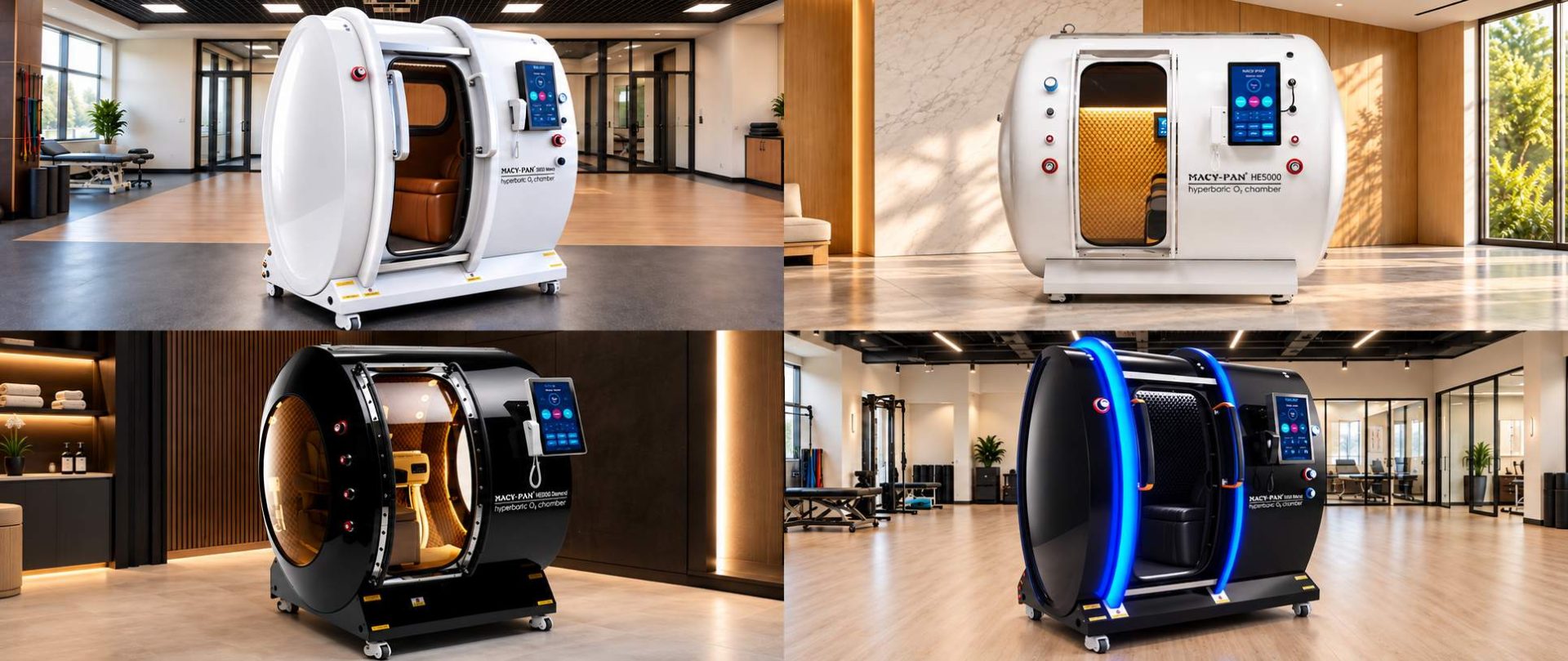
Hyperbaric chamber configurations can vary by installation setting. Hospitals, medical clinics, rehabilitation centers, medical spas, sports recovery facilities, wellness centers and private homes may have different requirements for user capacity, room space, chamber layout, operating pressure and supporting systems.
The setting itself does not define a separate chamber type. Instead, it helps determine how a monoplace or multiplace hyperbaric chamber is configured around the available space, users, daily operation and project requirements.
Explore Hyperbaric Chamber Solutions by Setting
Different facilities have different priorities when planning a hyperbaric chamber project. Explore the setting-specific solutions below for more relevant chamber configurations and project considerations.
[Hospitals] · [Medical Clinics] · [Rehabilitation Centers] · [Medical Spas] · [Sports Recovery] · [Wellness Centers] · [Home Wellness]
Frequently Asked Questions About Hyperbaric Chamber Types
What is the difference between monoplace and multiplace hyperbaric chambers?
A monoplace hyperbaric chamber is designed for one user per session, while a multiplace chamber accommodates two or more users. Beyond capacity, the two types can also differ in chamber size, access, interior layout, control configuration and supporting systems. For a purchasing comparison, see monoplace vs multiplace hyperbaric chambers.
Is operating pressure used to define the type of hyperbaric chamber?
Not usually. Monoplace and multiplace describe the basic chamber type by user capacity, while operating pressure is a model-specific configuration. Buyers should confirm the available pressure range for the specific chamber model and project rather than assume all chambers of the same type have the same operating pressure.
What is included in a complete hyperbaric chamber system?
Depending on the model and confirmed configuration, a complete system can include the chamber body, door and observation windows, control system, air compressor, oxygen generator, air conditioning, seating, lighting, flooring and other supporting components. The exact system scope should be confirmed for each project.
Can the same type of hyperbaric chamber be configured for different facilities?
Yes. The same general chamber type can have different capacities, interior layouts and system configurations depending on the project. Hospitals, clinics, rehabilitation centers, wellness facilities and private installations may have different requirements for space, user capacity, workflow, delivery access and supporting systems.
What information should buyers provide before confirming a hyperbaric chamber configuration?
Buyers should provide the installation location, available room dimensions, delivery access, expected user capacity, target operating pressure, destination market and site conditions. These details help determine which chamber models and configurations should be reviewed for the project.Discuss Your Hyperbaric Chamber Project
Learn More About Hyperbaric Chamber Selection
Understanding the different types of hyperbaric chambers, chamber designs and system configurations is the first step in evaluating a project. The next step is to compare factors such as user capacity, operating pressure, available space, daily workflow, installation conditions and required documentation.
For a more detailed selection process, see our Hyperbaric Chamber Buying Guide to understand the key factors to review before selecting a chamber for your project.