What Is a Monoplace Hyperbaric Chambers and How Does It Work?
A monoplace hyperbaric chambers is a pressurized chamber designed for one user per session. Depending on its structure, the user may lie down, sit or enter a walk-in interior. The chamber operates through a confirmed pressure setting, control system and air or oxygen delivery configuration. Monoplace chambers are used in hospitals, clinics, rehabilitation centers, wellness facilities and private projects based on the selected model, intended use and local requirements.
This guide explains how a monoplace hyperbaric chamber works, the main chamber types and system components, how it differs from a multiplace chamber and what buyers should confirm before selecting a model.
Buyers can compare the available monoplace hyperbaric oxygen chambers before reviewing pressure, chamber size and access options.
What Is a Monoplace Hyperbaric Chambers?
A monoplace hyperbaric chamber is an enclosed, pressurized chamber designed to accommodate one user during each session. It operates at a pressure above normal ambient pressure under an established operating configuration.
Readers unfamiliar with the underlying process can first review what hyperbaric oxygen therapy is and how pressure and oxygen are used during a session.
Depending on the chamber structure, the user may lie down, sit or enter a walk-in interior. The method used to pressurize the chamber and deliver oxygen depends on the specific product design and system configuration. Monoplace chambers should therefore not be treated as having the same structure, pressure range or operating method.
Main Characteristics of a Monoplace Chamber
● Single-User Capacity: Accommodates one user per session.
● Independent Scheduling: Allows each session to be arranged and operated separately.
● Pressurized Enclosure: Maintains the confirmed operating pressure within an enclosed chamber.
● External Operation and Monitoring: Enables an operator to control and monitor the session from outside the chamber.
● Model-Specific Pressure: Operates within the pressure range specified for the selected model.
● Flexible Access Formats: Available in lying, seated or walk-in configurations, depending on the chamber design.
How Does a Monoplace Hyperbaric Chamber Work?
A monoplace hyperbaric chamber operates through four main stages: pre-operation checks, controlled pressurization, pressure holding and gradual depressurization. The exact pressurization method, oxygen delivery arrangement, operating pressure and monitoring functions depend on the selected chamber model and confirmed system configuration.
User Entry and Pre-Operation Checks
The user enters the chamber through a lying, seated or walk-in access design. Before operation, the operator checks the chamber door, seals and system connections. The power supply, compressed-air system, oxygen supply and other supporting equipment are then confirmed according to the operating instructions for the selected model.
Pressurization and Pressure Holding
After the chamber is secured, the control system gradually increases the internal pressure. Once the preset operating pressure is reached, the system enters the pressure-holding stage.
The available pressure range, pressurization process and control method vary by chamber model, project configuration and operating requirements. Buyers should review the specifications of the individual model rather than assume that all monoplace chambers operate at the same pressure.
Oxygen Delivery and Chamber Monitoring
Oxygen delivery and the internal chamber environment depend on the design of the selected model. Different monoplace chambers may use different air-pressurization, oxygen-delivery and breathing-system arrangements.
During operation, the operator monitors the chamber through the external control system. Depending on the confirmed configuration, monitoring functions may include pressure displays, operating-status indicators, intercom communication and system controls.
Depressurization and User Exit
When the operating stage is complete, the control system gradually reduces the chamber pressure. The door must remain secured until the chamber has returned to normal ambient pressure. The operator then opens the chamber, assists the user if required and completes the applicable post-operation checks according to the equipment instructions.
What Are the Main Types of Monoplace Hyperbaric Chambers?
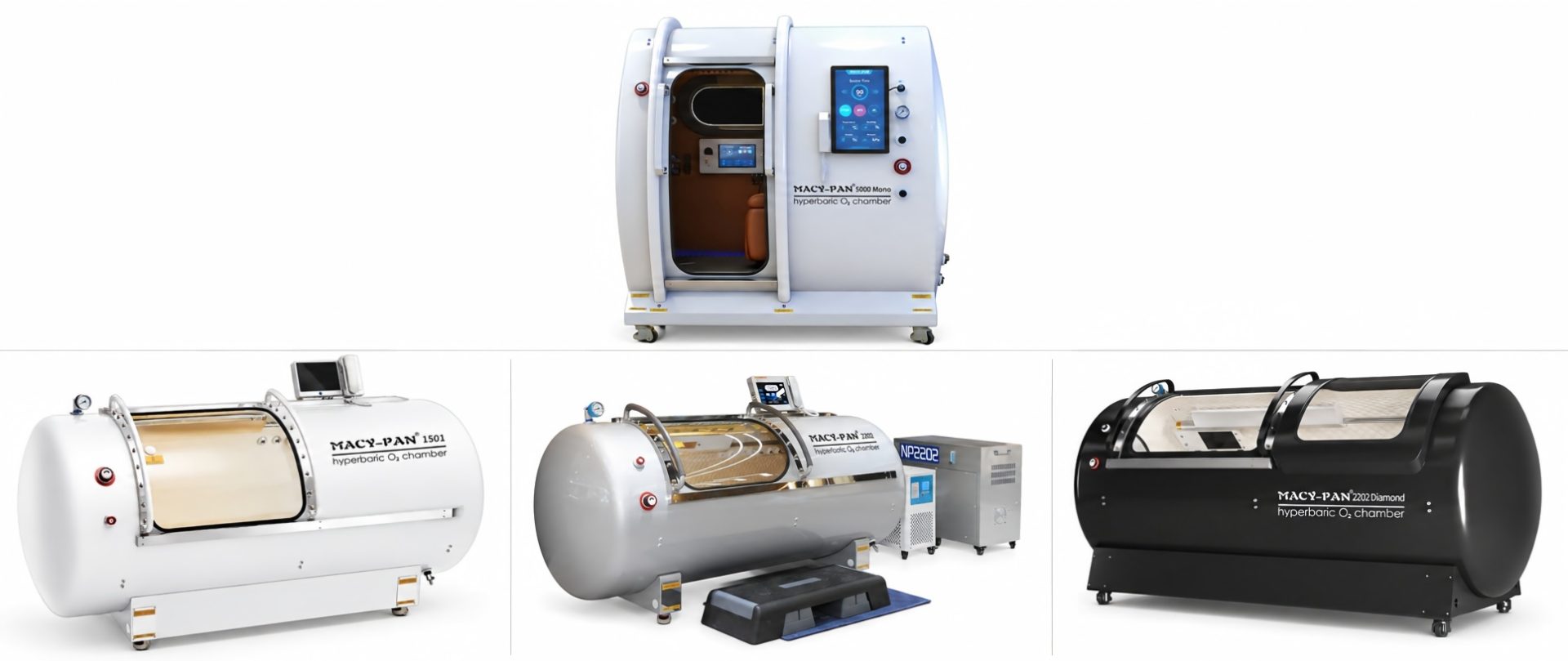
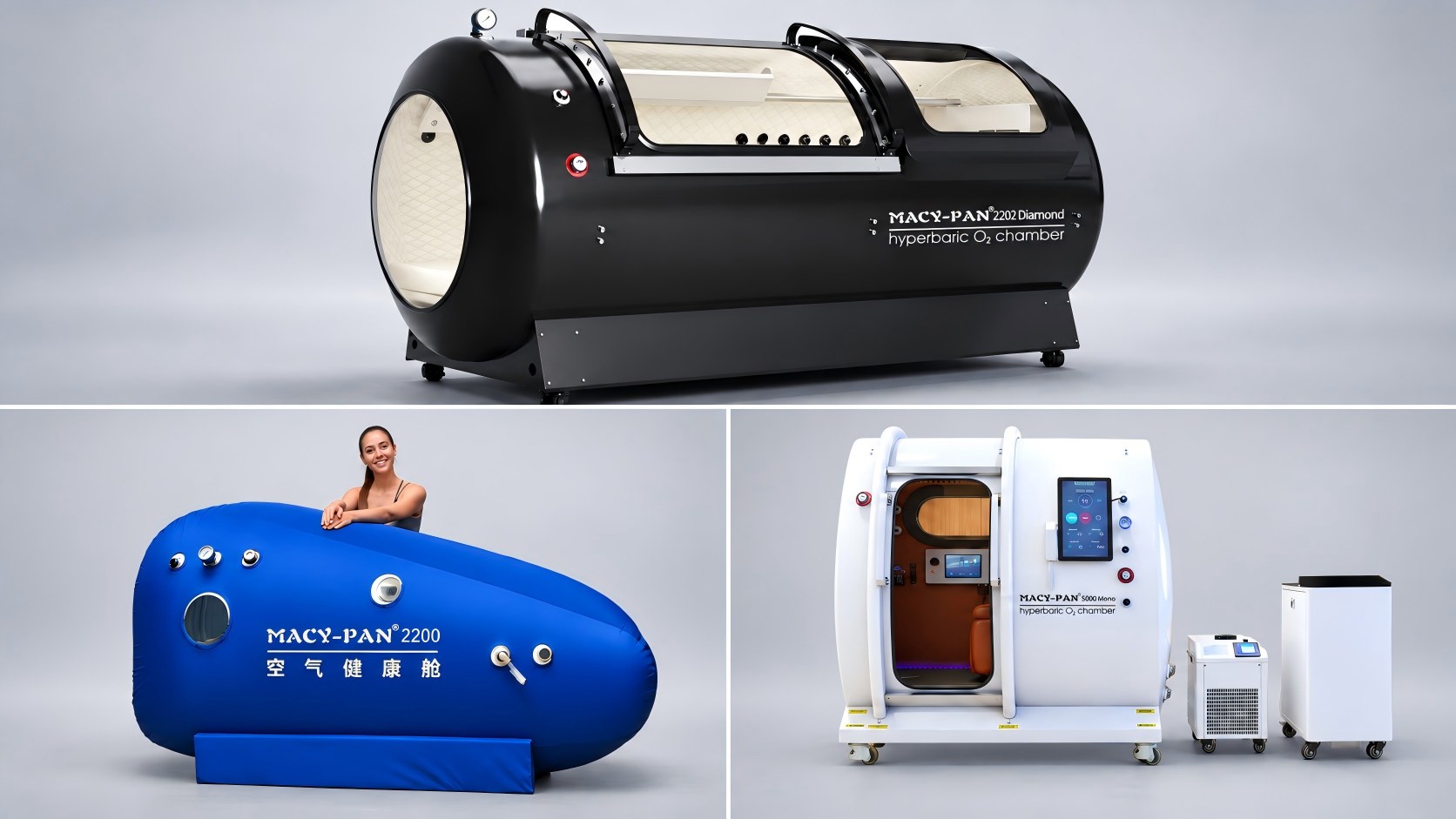
Monoplace hyperbaric chambers can be classified by chamber material, access method and user position. The main options include soft-sided chambers, hard-shell lying chambers and walk-in monoplace chambers. Buyers should compare the pressure range, internal space, access requirements and supporting systems of each model rather than selecting by chamber material alone.
Soft-Sided Monoplace Chambers
Soft-sided monoplace chambers use a flexible chamber enclosure designed for one user. They are generally configured for a lower confirmed pressure range than rigid-shell models, although the exact operating pressure must be verified for each product.
Chamber dimensions, entry design, control system, air and oxygen equipment, and intended installation environment also vary by model. The flexible structure alone does not determine a chamber’s regulatory classification or suitability for a particular application. The MACY-PAN HP1501 is one example of this chamber type.
Hard-Shell Lying Monoplace Chambers
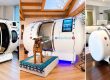
Hard-shell lying monoplace chambers use a rigid enclosure and accommodate one user in a lying position. The user enters through the chamber door, while the operator controls and monitors the system externally.
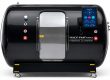
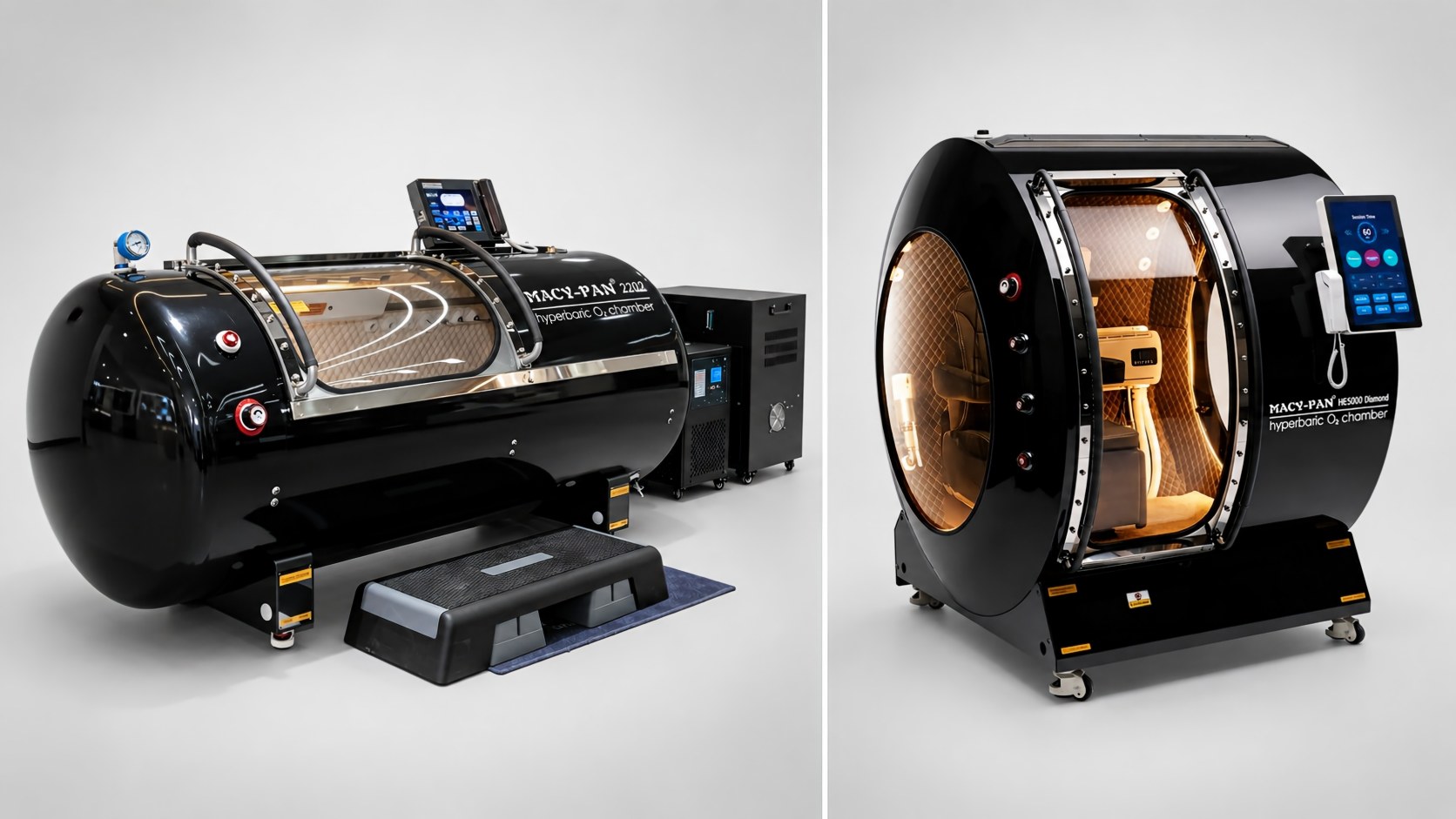
Buyers should compare the internal diameter, viewing window, door design and available space around the chamber. Sufficient clearance is also required for user entry, external operation and supporting equipment. The MACY-PAN HP2202 provides this type of single-user lying configuration.
Walk-In Monoplace Chambers
Walk-in monoplace chambers retain single-user capacity but use an upright entrance instead of a lying-entry format. Depending on the interior design, the user may enter the chamber and remain seated during operation.
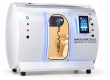
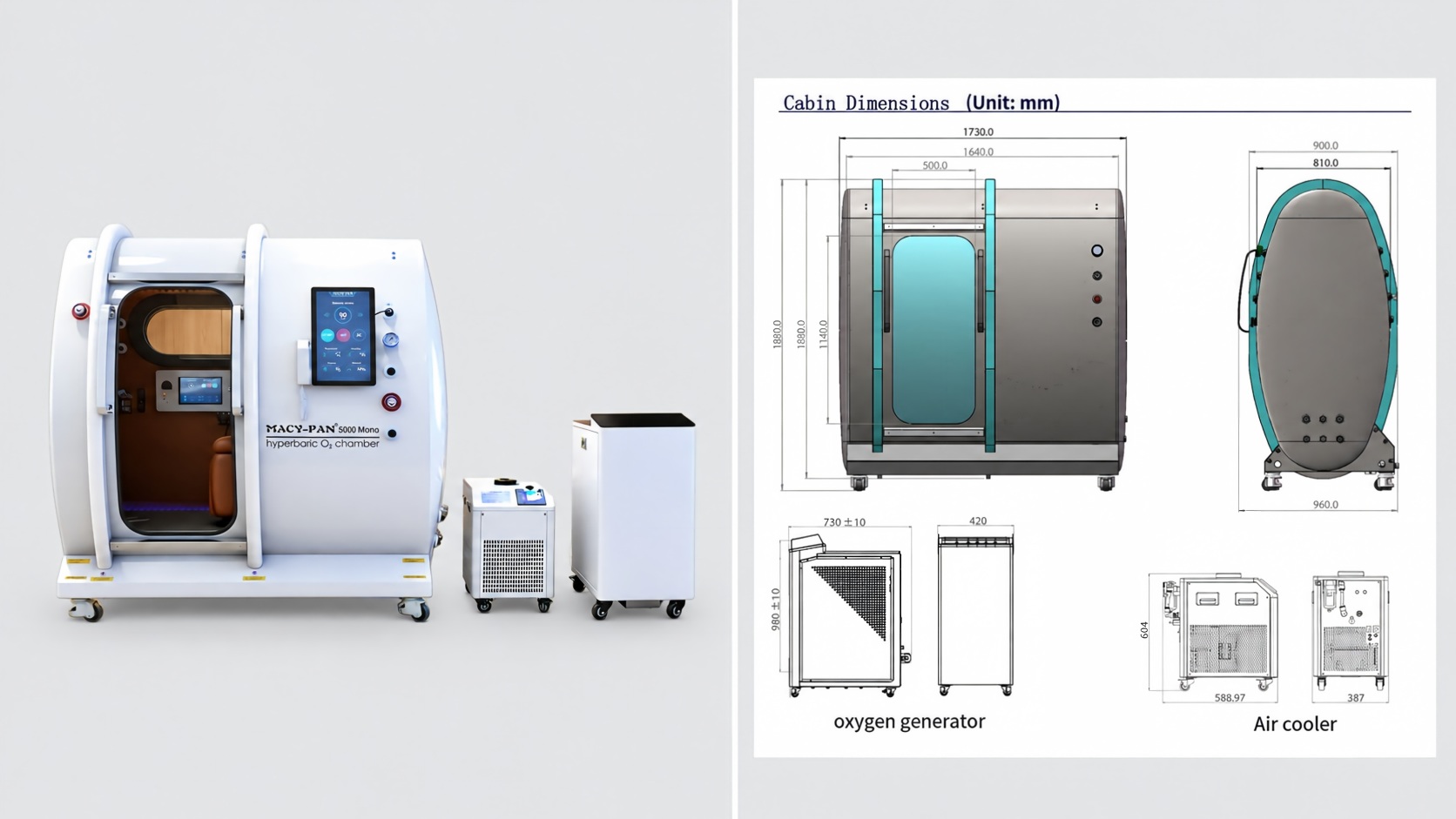
This configuration is suited to projects that prioritize easier access and greater interior space. Before selecting a model, buyers should confirm room height, door-opening clearance, operating space, delivery route and supporting-system placement. The MACY-PAN 5000 Mono is available as a single-user walk-in configuration.
What Systems Are Included in a Monoplace Hyperbaric Chambers?
A monoplace hyperbaric chamber operates as an integrated system consisting of the chamber body, air and oxygen equipment, pressure controls, safety devices and interior components. The exact system structure differs between soft-sided, hard-shell lying and walk-in models. Buyers should confirm the standard components, optional equipment and technical specifications for the selected model.
To understand how the chamber and supporting equipment work together as a complete purchase, review our hyperbaric chamber system guide before comparing model configurations.
Core Operating Systems
● Chamber Body: The main enclosed structure that accommodates one user and maintains the confirmed operating pressure. Its material, access design and internal dimensions vary by model.
● Air Compressor: Supplies the compressed air required for chamber pressurization through the configured air-delivery system.Compressor capacity and technical specifications must match the selected chamber.
● Oxygen Generator: Provides oxygen through the chamber’s confirmed oxygen-delivery arrangement. Oxygen output, concentration and delivery method depend on the supplied equipment and model configuration.
● Air-Conditioning System: Helps regulate the internal temperature during operation. This system is generally configured for applicable hard-shell or walk-in models and should not be presented as standard equipment for every monoplace chamber.
Interior Components
Interior components depend on whether the user lies down, sits or enters a walk-in chamber.
● Custom Mattress: Provides a lying surface inside applicable soft-sided or hard-shell monoplace chambers. Its dimensions and material are matched to the chamber interior.
● Interior Seating: Provides a seated operating position in applicable walk-in monoplace chambers. Seat type, quantity and adjustment functions depend on the confirmed layout.
● Lighting and Air Circulation: Support visibility and internal air movement in applicable chamber configurations.
● Entertainment Options: Screens or other entertainment equipment may be available according to the selected model and project requirements.
● Supporting Components: May include sealed connection pipes, mounting brackets, dedicated wiring and routine maintenance accessories required for the configured system.
Control and Safety Components
● Internal and External Control Displays: Allow operating parameters and system status to be viewed or adjusted from inside and outside applicable chamber models. Available control functions depend on the confirmed configuration.
● Pressure Display: Shows the chamber pressure during pressurization, pressure holding and depressurization.
● Automatic Safety Valve: Responds when the chamber pressure reaches the configured safety threshold and supports pressure control within the specified operating range.
● Manual Pressure-Release Valve: Allows the operator to manually adjust or release pressure when required by the operating procedure.
● Emergency Pressure-Release Valve: Provides a dedicated method for reducing chamber pressure during an emergency. Its operating method and release rate depend on the chamber design.
● Communication System: Allows communication between the user and external operator during operation. Intercom functions are available on applicable configurations.
Components for Walk-In Monoplace Chambers
A walk-in monoplace chamber still accommodates one user per session, but its system layout is designed around upright entry and a seated interior. The configuration may include:
● Full-height access door
● Single-user interior seating
● Internal and external control displays
● Pressure monitoring and automatic operating controls
● Internal lighting and air circulation
● Air-conditioning system
● Intercom communication
● Automatic, manual and emergency pressure-release functions
Room height, door-opening clearance, operator space, supporting-system placement and the delivery route must be reviewed before a walk-in monoplace chamber is confirmed. All listed functions remain subject to the specifications and ordered configuration of the selected model.
What Pressure Does a Monoplace Hyperbaric Chamber Use?
Monoplace hyperbaric chambers do not all operate at the same pressure. The available pressure depends on the chamber model, pressure structure and confirmed system configuration. Pressure should be selected according to the facility type, intended use, operating requirements, installation conditions and applicable destination regulations—not on the assumption that a higher pressure is automatically better.
The confirmed MACY-PAN monoplace pressure options include:
● Macy Pan 1501: Up to 1.5 ATA
● Macy Pan 2202: Up to 2.0 ATA
● Macy Pan 5000 Mono: Configurable from 1.5 to 2.0 ATA
Final pressure specifications must be verified in the quotation, technical documents and order configuration for the selected model.
1.5 ATA Monoplace Chamber Configuration
The MACY-PAN 1501 is a soft-sided monoplace chamber configured for operation up to 1.5 ATA. A 1.5 ATA configuration is generally considered for private, wellness and recovery projects where it matches the intended use and local requirements.
The complete system may include the chamber body, air compressor, oxygen generator, pressure controls, connecting pipes and applicable interior components. Buyers should confirm the chamber size, supporting-equipment specifications, room conditions and electrical requirements before ordering.
The 5000 Mono may also be configured for 1.5 ATA when this pressure matches the confirmed project requirements.
2.0 ATA Monoplace Chamber Configuration
The MACY-PAN 2202 is a hard-shell lying monoplace chamber available with an operating pressure of up to continua2.0 ATA. The 5000 Mono walk-in chamber can also be configured for operation up to 2.0 ATA.
Before selecting a 2.0 ATA chamber, buyers should separately verify:
● Intended operating use
● Facility and operator requirements
● Room dimensions and delivery access
● Electrical and supporting-system conditions
● Applicable product and testing documents
● Installation and routine inspection requirements
● Destination-market regulations
The selected operating pressure must remain within the confirmed specifications of the individual chamber model. For a complete comparison, read our guide on how to choose hyperbaric chamber pressure.
Monoplace vs Multiplace Hyperbaric Chambers: What Is the Difference?
The main difference between monoplace and multiplace hyperbaric chambers is user capacity. A monoplace chamber accommodates one user per session, while a multiplace chamber accommodates two or more users at the same time. This difference affects scheduling, interior layout, installation space, daily capacity and operating arrangements.
| Comparison | 1.5 ATA Configuration | 2.0 ATA Configuration |
| Intended Use | Wellness and recovery programs | Projects requiring a higher operating-pressure range |
| Typical Facility | Wellness centers, recovery facilities and private projects | Clinics, rehabilitation centers, hospitals and qualified facilities |
| Operating Requirements | Routine operation based on the confirmed configuration | Additional review of facility conditions, operating procedures and local requirements |
| Available Series | Applicable MACY-PAN multiplace models | Applicable MACY-PAN multiplace models |
| Selection Basis | User capacity, intended use and facility conditions | Required pressure, operating plan, facility qualification and local regulations |
The pressurization method, oxygen-delivery arrangement and control system cannot be determined by user capacity alone. These details must be verified against the selected chamber design and confirmed project configuration.
Choose Monoplace for Independent Sessions
A monoplace chamber is suitable when a facility needs to schedule and operate sessions for one user at a time. It provides a private space and allows each appointment to be managed independently.
Facilities can install one chamber for a lower-volume program or configure multiple monoplace chambers to increase capacity while retaining separate scheduling. Buyers should compare the available monoplace hyperbaric oxygen chambers according to user position, operating pressure, room space and supporting-system requirements.
Choose Multiplace for Higher Session Capacity
A multiplace chamber is designed for facilities that need to accommodate several users during the same session. It can support regular group scheduling or higher daily user volumes without installing a separate chamber for every user.
Buyers requiring two or more users in one session can compare the available multiplace hyperbaric oxygen chambers.
These projects require more installation space and more detailed planning for room access, supporting equipment and routine operation. The required seating, bed capacity or combined interior layout must be confirmed for the selected multiplace hyperbaric oxygen chamber and project requirements.
Facilities planning shared sessions can learn what a multiplace hyperbaric oxygen chamber is before comparing capacity and interior layouts.
Application-Specific Monoplace Chamber Recommendations
Different facilities require different monoplace chamber configurations. Buyers should compare user access, operating pressure, internal space, appointment volume and installation conditions before selecting a model.
Hospitals and Clinics
Choose a monoplace chamber according to the required operating pressure, clinical workflow and facility qualifications. Confirm external controls, monitoring functions, safety systems, testing documents and local regulatory requirements before procurement.
Hospitals planning single-user, multi-monoplace or multiplace operation can review the available hyperbaric chamber solutions for hospitals.
Rehabilitation and Recovery Centers
Independent scheduling is important for rehabilitation and recovery programs. Choose between lying and walk-in models based on user access, session volume, available room space and staff operating requirements. Multiple units can support higher daily capacity.
Wellness and Longevity Facilities
Prioritize user privacy, interior comfort and integration with the existing booking process. Compare chamber access, internal dimensions, lighting, air circulation, cooling options and room appearance based on the confirmed model configuration.
Private and Home Projects
Start with a site assessment. Confirm room dimensions, delivery access, doorway width, floor conditions, power supply, ventilation, operating noise and supporting-equipment placement. Local installation and operating requirements must also be verified before selecting a chamber.
What Are the Advantages and Limitations of a Monoplace Chamber?
A monoplace chamber supports private, independently scheduled sessions, but its single-user capacity can limit throughput. Buyers should evaluate both operating flexibility and daily appointment requirements before deciding between one monoplace chamber, multiple units or a multiplace system.
Advantages of a Monoplace Chamber
● Independent Sessions: Each user can be scheduled and operated separately.
● Private Environment: The chamber accommodates one user without sharing the interior with other users.
● Flexible Chamber Formats: Buyers can choose from soft-sided, hard-shell lying and walk-in designs.
● Model-Specific Selection: Chamber size, access method and pressure can be selected according to the project requirements.
● Scalable Installation: Additional monoplace units can be added as demand grows, subject to available space, utilities and operating capacity.
● Separate Operation: Multiple installed units can support different appointment times and independent operating schedules.
These advantages should be considered alongside the lower capacity of each individual chamber compared with a multiplace system.
Limitations to Consider
● One User per Session: A monoplace chamber cannot accommodate a group during the same operating cycle.
● Limited Unit Capacity: Daily capacity depends on session duration, preparation time and the operating schedule.
● More Units for Higher Volume: Facilities with a high appointment volume may need multiple chambers, increasing space, equipment and staffing requirements.
● No In-Chamber Attendant: The single-user design does not provide space for a separate attendant inside the chamber as a multiplace configuration may.
● Site Planning Is Still Required: Room dimensions, delivery access, electrical supply, ventilation, supporting equipment and operator clearance must be confirmed.
● Models Are Not Directly Interchangeable: Soft-sided, hard-shell lying and walk-in chambers differ in structure, pressure, access, included systems and installation requirements. Price alone does not provide an accurate comparison.
How to Choose a Monoplace Hyperbaric Chambers
Choose a monoplace hyperbaric chamber according to the intended use, facility type, required pressure, user access needs and expected daily session volume. The selected model must also fit the installation room, delivery route, electrical conditions and supporting-system requirements.
For a complete review of pressure, chamber size, access, room conditions and supporting systems, use the monoplace hyperbaric chamber selection guide.
Before ordering, confirm:
● Facility type and intended use
● Required operating pressure
● Lying, seated or walk-in access
● Chamber dimensions and internal space
● Expected daily user volume
● Room size and delivery access
● Applicable documents and local requirements
● Installation, training and maintenance support
Once you have shortlisted a model, review the hyperbaric chamber room requirements to confirm whether the chamber, supporting equipment and delivery access fit your proposed installation site.Before ordering, verify that the available hyperbaric chamber certification documents apply to the selected model, pressure configuration and destination market.
Price should not be compared separately from chamber structure, pressure configuration, included systems and project support. For detailed selection steps, read how to choose a monoplace hyperbaric oxygen chamber for your facility.
MACY-PAN Monoplace Hyperbaric Chamber Options
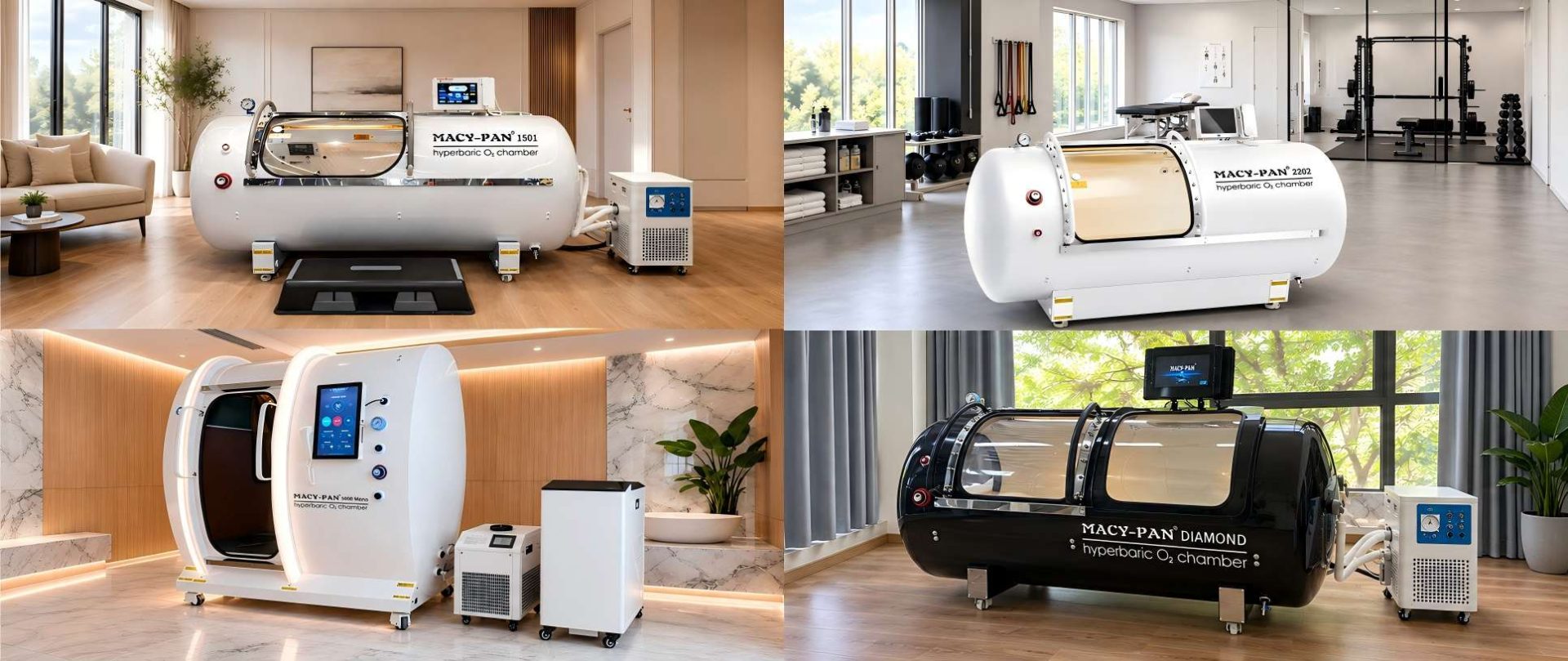
MACY-PAN offers soft-sided, hard-shell lying and walk-in monoplace chamber options. Compare the confirmed pressure, internal dimensions, access format and installation requirements of each model before selecting a configuration.
MACY-PAN 1501
The MACY-PAN 1501 is a single-user, lying monoplace chamber with a 1.5 ATA configuration. It It is available with four internal diameter options to match different user and project requirements.
● Pressure: 1.5 ATA
● Capacity: One user
● Internal Diameter: 75, 85, 90 or 100 cm
● Access Format: Lying
● Suitable For: Projects requiring a single-user lying configuration
Supporting systems and included components must be confirmed in the final order configuration.
MACY-PAN 2202
The MACY-PAN 2202 is a hard-shell lying monoplace chamber available with an operating pressure of up to 2.0 ATA. Its four internal diameter options allow buyers to compare user space and facility requirements.
● Pressure: Up to 2.0 ATA
● Capacity: One user
● Internal Diameter: 75, 85, 90 or 100 cm
● Access Format: Lying
● Suitable For: Professional projects requiring a confirmed pressure configuration of up to 2.0 ATA
Intended use, facility requirements, documentation and destination-market requirements must be reviewed before the model is confirmed.
MACY-PAN 5000 Mono
The 5000 Mono is a single-user walk-in monoplace chamber that can be configured from 1.5 to 2.0 ATA. Its upright entrance and seated interior are intended for projects that prioritize easier access and more internal space.
● Pressure: 1.5–2.0 ATA
● Capacity: One user
● Access Format: Walk-in
● Suitable For: Hospitals, clinics, rehabilitation centers, wellness facilities and private projects
Room dimensions, ceiling height, delivery route, door clearance, supporting-system placement and final configuration require project review.
Compare Monoplace Models ▏Request a Configuration
Frequently Asked Questions About Monoplace Hyperbaric Chambers
What is a monoplace hyperbaric chamber?
A monoplace hyperbaric oxygen chamber holds one user per session. Depending on the model, the user may lie down, sit or enter through a walk-in door.
How does a monoplace hyperbaric chamber work?
The chamber gradually increases pressure, maintains the selected setting and then depressurizes before the user exits. An operator controls and monitors the session externally.
What is the difference between monoplace and multiplace chambers?
A monoplace chamber serves one user at a time. A multiplace chamber accommodates several users in one session but generally requires more space and a more complex interior layout.
What pressure does a monoplace hyperbaric chamber use?
Pressure depends on the selected model. MACY-PAN HP1501 is configured for 1.5 ATA, HP2202 operates up to 2.0 ATA, and 5000 Mono offers 1.5–2.0 ATA configurations.
How much room does a monoplace chamber require?
Allow space for the chamber, door opening, user access, external operation, maintenance and supporting equipment. Measure the room and complete delivery route before selecting a model.
What should I check before ordering a monoplace chamber?
Confirm the required pressure, chamber type, internal size, room conditions, delivery access, electrical standard and included systems. Also review the applicable certificates, test records, installation support and warranty terms.
Let’s Discuss Your Monoplace Hyperbaric Chamber Project
Have questions about chamber type, operating pressure, internal diameter, supporting systems or installation requirements? Share your facility type, intended use, room dimensions, delivery access and destination. MACY-PAN engineers will review your requirements and help confirm a suitable chamber model and project configuration.