Hyperbaric Chamber Safety Checklist: What Facilities Should Check Before Operation
A hyperbaric chamber safety checklist helps facility personnel complete consistent equipment and operating checks before each session. The checklist should cover the chamber condition, pressure and control systems, communication, air and oxygen systems, applicable safety functions, chamber environment and other items required for the specific equipment.
However, a general checklist should not replace the manufacturer’s operating manual, model-specific instructions or established facility procedures. Inspection requirements can vary by chamber type, model, configuration and operating environment.
This guide explains what facilities should check before operation, before a user enters the chamber, during operation and after each session, as well as how inspection and maintenance records should be managed for ongoing chamber operation.
What Should a Hyperbaric Chamber Safety Checklist Cover?
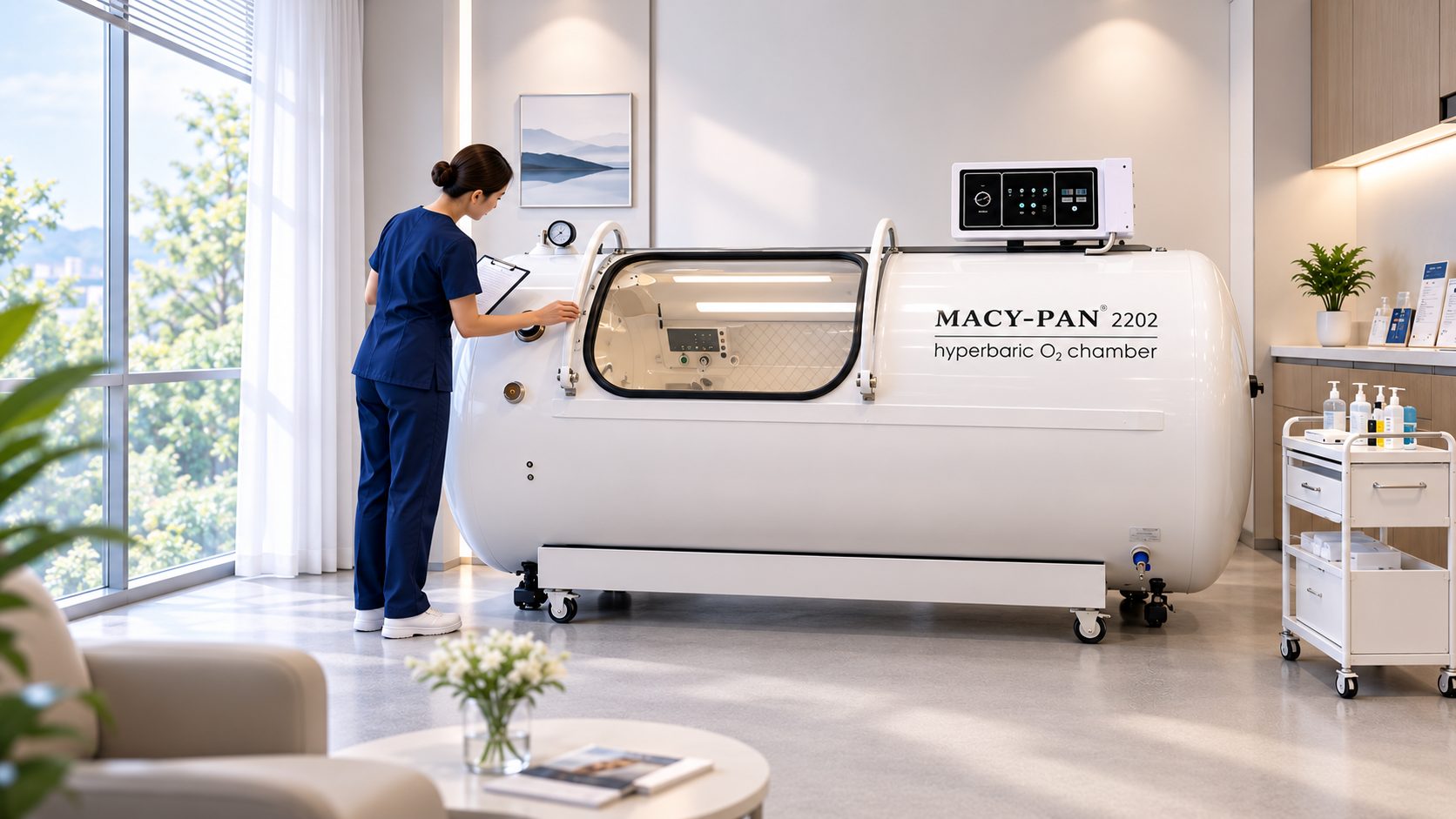
A practical hyperbaric chamber safety checklist should cover the complete operating cycle rather than a single pre-use inspection. Facilities should organize checks around the key stages of chamber operation:
Before Operation → Chamber & System Check → User & Item Check → During & After Operation → Records & Maintenance
Before each session, personnel should confirm that the chamber and applicable supporting systems are ready for operation, check the items entering the chamber, and verify the required operating conditions. During and after operation, relevant system status, communication, chamber condition and any abnormal observations should also be monitored or recorded according to facility procedures.
A general checklist is only a starting point. It should not replace the manufacturer’s operating manual, model-specific instructions, established facility procedures or applicable local requirements. Inspection items can differ between monoplace and multiplace chambers and between different models, configurations and supporting systems, so facilities should develop their working checklist around the exact equipment being operated.
For a broader explanation of chamber design, safety functions, testing and installation, see Hyperbaric Chamber Safety.
Hyperbaric Chamber Pre-Use Safety Checklist
Before starting a session, facility personnel should complete a pre-use safety check to confirm that the chamber, supporting systems and operating area are ready for use. The checklist below provides a practical framework for routine checks, but the normal condition and required response should always be confirmed against the instructions for the specific chamber model and configuration.
| Check | Normal Condition | Action if Abnormal |
| Chamber Condition | No visible damage, obstruction or unusual condition is identified. | Do not operate the chamber until the condition has been inspected and resolved. |
| Door / Closure & Seals | Door or closure area and seals appear clean, unobstructed and in normal condition. | Stop the pre-use process and inspect the affected area before operation. |
| Pressure Display & Controls | Pressure display, control system and applicable indicators show their normal ready status. | Do not begin pressurization; check the system according to the operating instructions. |
| Communication System | Clear communication is available between the operator and chamber user. | Restore communication before starting the session. |
| Air & Oxygen System | Applicable supply equipment, connections and indicators show normal operating condition. | Do not operate until the supply system and connections have been checked. |
| Safety Functions | Applicable alarms, pressure-relief and emergency functions show no abnormal condition. | Follow the model-specific instructions and resolve the abnormal status before use. |
| Electrical & Control System | Controls, displays, cables and visible connections show no obvious abnormal condition. | Stop preparation and have the relevant system checked before operation. |
| Chamber Interior | Interior is clean, unobstructed and prepared according to facility procedures. | Remove obstructions or correct the condition before the user enters. |
| Operating Area | Access around the chamber and required operating positions are clear and unobstructed. | Clear the operating area before beginning the session. |
| Supporting Equipment | Applicable supporting equipment is connected and shows normal operating status. | Check the affected equipment and do not proceed until the required system is ready. |
The person completing the check should not simply mark each item as completed. Any unusual display, visible damage, abnormal system status, failed communication or other condition outside the expected operating state should be addressed before the session begins.
The exact pre-use checklist should be developed around the specific chamber model, configuration and supporting equipment in use. Facilities should follow the manufacturer’s operating instructions and established procedures when determining the normal condition, corrective action and personnel responsible for each check.
What Should Be Checked Before a User Enters the Chamber?
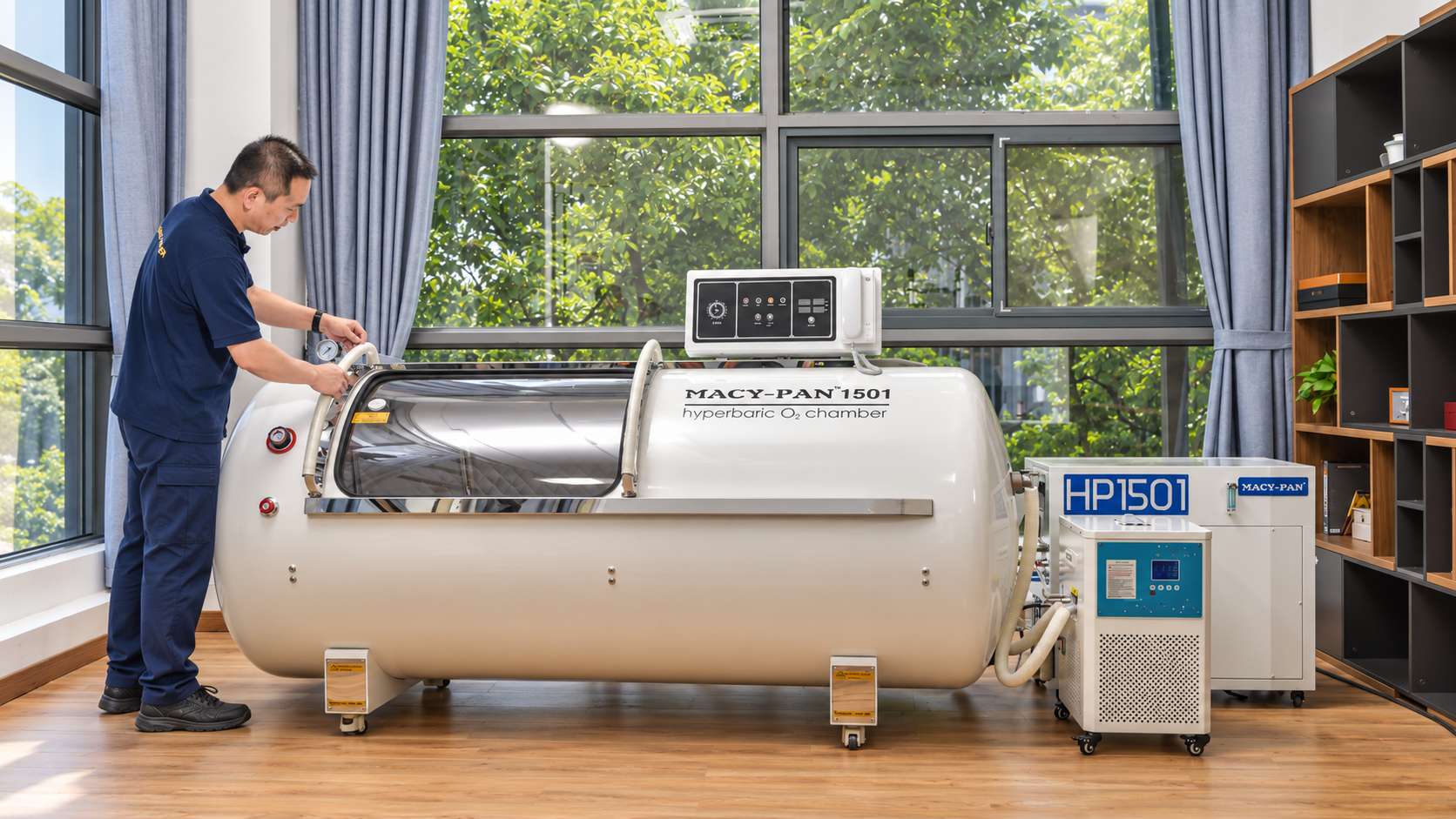
Once the chamber and supporting systems are ready, personnel should complete a session-readiness check before the user enters. This step focuses on the chamber environment, items entering the chamber and the operating instructions required for the session.
Before entry, confirm the following:
● Permitted Items: Check personal belongings, equipment and other items against the manufacturer’s instructions and established facility procedures. Items that are not permitted should remain outside the chamber.
● Clothing: Confirm that the user’s clothing meets the requirements established for the chamber and facility.
● Chamber Interior: Make sure the interior is clean, prepared for use and free from unnecessary or unapproved items.
● Entry & Access: Confirm that the chamber entrance, door or closure area and access route are clear before the user enters.
● Communication: Make sure the user understands how to communicate with the operator and that the communication system is functioning correctly.
● Operating Instructions: Explain the relevant session procedures, operator instructions and what the user should do if assistance is needed during operation.
● User Preparation: Complete any additional non-medical preparation required by the manufacturer’s instructions and the facility’s established operating procedures.
The operator should confirm these requirements before the chamber is closed and the operating cycle begins. If an item, clothing condition, chamber condition or other operational requirement does not meet the applicable procedure, it should be corrected before proceeding.
Facilities that need a broader understanding of equipment, operating and facility requirements can review Hyperbaric Chamber Safety Standards.
These checks address operational readiness, not medical suitability. Whether hyperbaric oxygen therapy is medically appropriate for an individual, including any required medical screening or treatment decisions, should be evaluated separately by appropriately qualified healthcare professionals.
Facilities should also confirm that responsible personnel understand the operating procedures and model-specific instructions before routine use. Review hyperbaric chamber operator training to see what buyers should confirm for staff preparation, training materials and support.
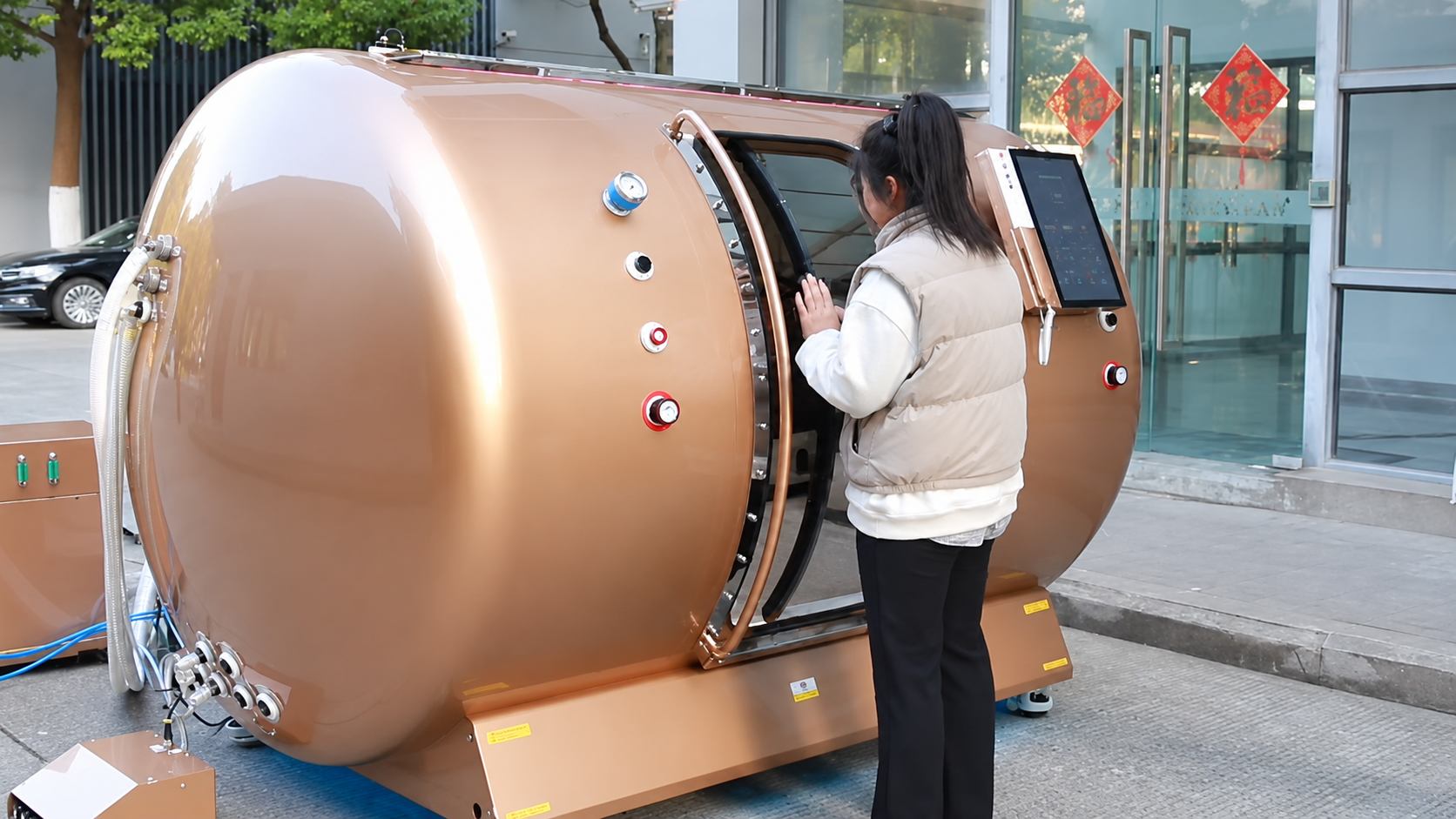
What Should Operators Check During and After Chamber Operation?
Safety checks should continue after the chamber begins operating. Operators should monitor the chamber throughout the session and complete the required post-operation checks before preparing the equipment for its next use.
During Operation
Operators should follow the procedures for the specific chamber model and configuration and monitor the applicable operating conditions throughout the session.
● Pressure & System Status: Monitor pressure, controls and applicable system indicators for their expected operating status.
● Communication: Maintain communication with the chamber user according to the facility’s operating procedures.
● Alarms & Abnormal Conditions: Watch for alarms, unusual indications or other abnormal system conditions and follow the applicable operating instructions if they occur.
● Operating Environment: Keep the chamber operating area clear and maintain the required conditions around the equipment during use.
● Operating Procedures: Follow the model-specific procedures for pressurization, operation and depressurization rather than changing operating parameters outside the established instructions.
After Operation
Once the session is complete, operators should confirm that the chamber has returned to its required post-operation condition before completing the operating record or preparing for another session.
● Pressure & System Status: Confirm that the chamber has returned to the required pressure and system status before opening or completing the operating cycle.
● Chamber Condition: Inspect the chamber interior, door or closure, seals and visible components for any unusual condition identified after use.
● Cleaning: Clean the chamber and applicable components according to the manufacturer’s instructions and established facility procedures.
● Abnormalities: Record any alarm, unusual system behavior, visible damage or other abnormal condition observed during or after the session.
● Session Records: Complete applicable operating, inspection, cleaning or incident records according to facility procedures.
● Next-Use Preparation: Confirm that the chamber and supporting equipment are left in the required condition for subsequent inspection and operation.
Any abnormal condition identified during or after operation should be handled according to the manufacturer’s instructions and the facility’s established procedures. The chamber should not simply be returned to routine operation when an unresolved condition could affect the next operating cycle.
How Should Facilities Manage Safety Checks and Maintenance Records?
A hyperbaric chamber safety checklist should become part of an ongoing equipment-management process rather than a one-time task. Facilities should maintain clear records of routine checks, abnormal conditions and maintenance activities so personnel can understand the chamber’s operating status and follow up on issues when required.
For each applicable safety check, the facility should record:
● What was checked — the chamber, system or component inspected.
● Who completed the check — the operator, technician or other responsible personnel.
● When it was checked — the date and, where required, the relevant operating session or time.
● What was found — normal status or any abnormal condition identified.
● What action was taken — inspection, adjustment, repair or other corrective action where required.
● Whether the chamber was returned to operation — confirmation that any required follow-up was completed before routine use resumed.
Facilities should also distinguish between different levels of equipment management. Pre-use and daily checks support routine operation, while scheduled maintenance addresses periodic inspection and servicing required for the chamber and supporting equipment. More specialized inspection, troubleshooting or service should be carried out by appropriately qualified personnel where required.
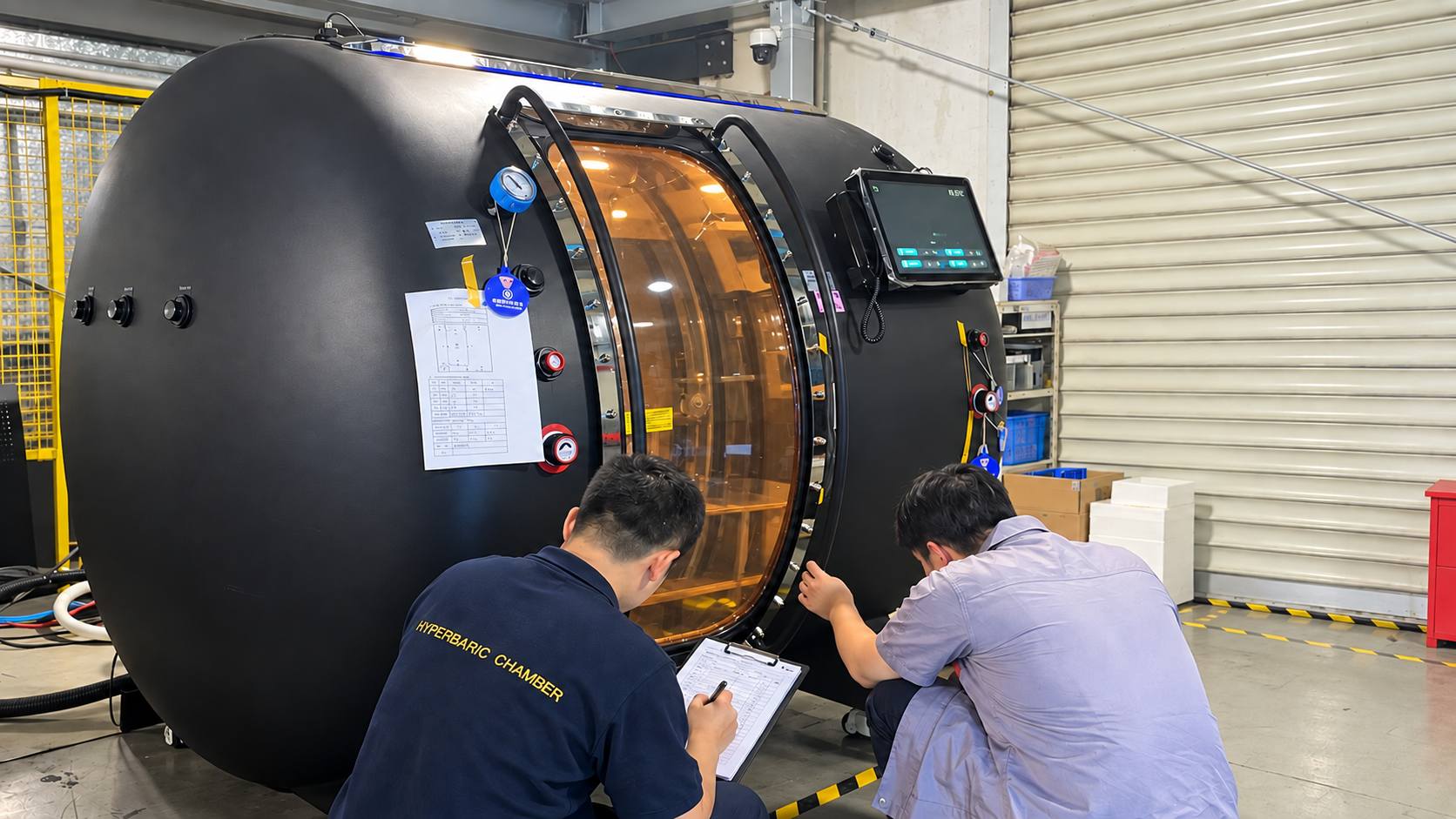
Daily operational checks are also different from the inspections and tests performed during chamber manufacturing and before delivery. Buyers who want to understand how MACY-PAN chambers are inspected during production can review the Hyperbaric Chamber Manufacturing and Testing Process, including the key stages from component inspection and chamber assembly to pressure, sealing, electrical, functional and final inspection.
The frequency and scope of these activities should not be determined from a generic online checklist alone. Facilities should follow the maintenance schedule, inspection requirements and service instructions applicable to the specific chamber model and configuration, together with established facility procedures and applicable local requirements.
For buyers, this is also an important part of supplier evaluation. Before ordering a hyperbaric chamber, ask what operating manual, inspection guidance, maintenance instructions, operator training and after-sales technical support will be available for the exact model. A chamber purchase should therefore be evaluated not only by its specifications and initial configuration, but also by the information and support required to operate and maintain the equipment over time.
Daily safety checks do not replace scheduled servicing. Facilities should follow the model-specific service schedule and review hyperbaric chamber maintenance requirements for periodic inspection, key components, maintenance records and technical support.
Need a Safety Checklist for Your Chamber Project?
Safety and inspection requirements can vary by chamber model, configuration and operating environment. Share your facility type, chamber requirements, planned operating pressure and destination market with MACY-PAN. Our team can help you review the available chamber configuration, operating information, technical documents and project-support requirements.